Losing True
Saturday, September 27th, 2025

“Losing True” has unexpectedly become the anthem for this crunchy late summer and early autumn. Irresistible yet devastating, it’s difficult not to get engulfed in its harmonies and play it over and over again. Years deep into the perilous effects of post-truth reverberations, many of us are losing “true.” Location, belonging, vocation, family, income, citizenship, rights, and housing comprise just a fraction of what is at stake in the soupiness of this lostness era. Negotiations with this timeline require aptitude, patience, and a willingness to stay uncomfortable.
If you are unfamiliar with The Roches, they are three sisters who wrote some of my all-time favorite music, including their sleeper hit “No Trespassing.” Two of the three sisters, Terre and Maggie, have passed away, leaving Suzzy, which has made falling in love with this song even more devastating. This anthem feels timely. The grief of true things evaporating, shape-shifting, and mutating into things we don’t recognize.
One of my most listened to tracks of the year is “True (KFR Hardcore Remix)” from Sega Bodega with vocals by my baby boo KUKII (FKA Lafawndah). Friendship and the promise of music are something that lights me up and feels true. Music, despite being steeped in a tragic, sordid timeline of the end of streaming, continues to stay true.
Middle English treu, from Old English triewe (West Saxon), treowe (Mercian) “faithful, trustworthy, honest, steady in adhering to promises, friends, etc.” — adhering to a promise requires willfulness to consciously commit to something. Many have expressed to me recently how difficult that is. Feeling lost? You’re not alone. No wonder so many people are turning to religious extremism!
Truth, now deeply politicized, has become a weapon to wield when justifying the worst things on earth. Messianic truth (well, we didn’t get raptured), societal truth, identitarian truth, and medical truth become anchors for rage in a time of everyone becoming dispossessed of solidity.
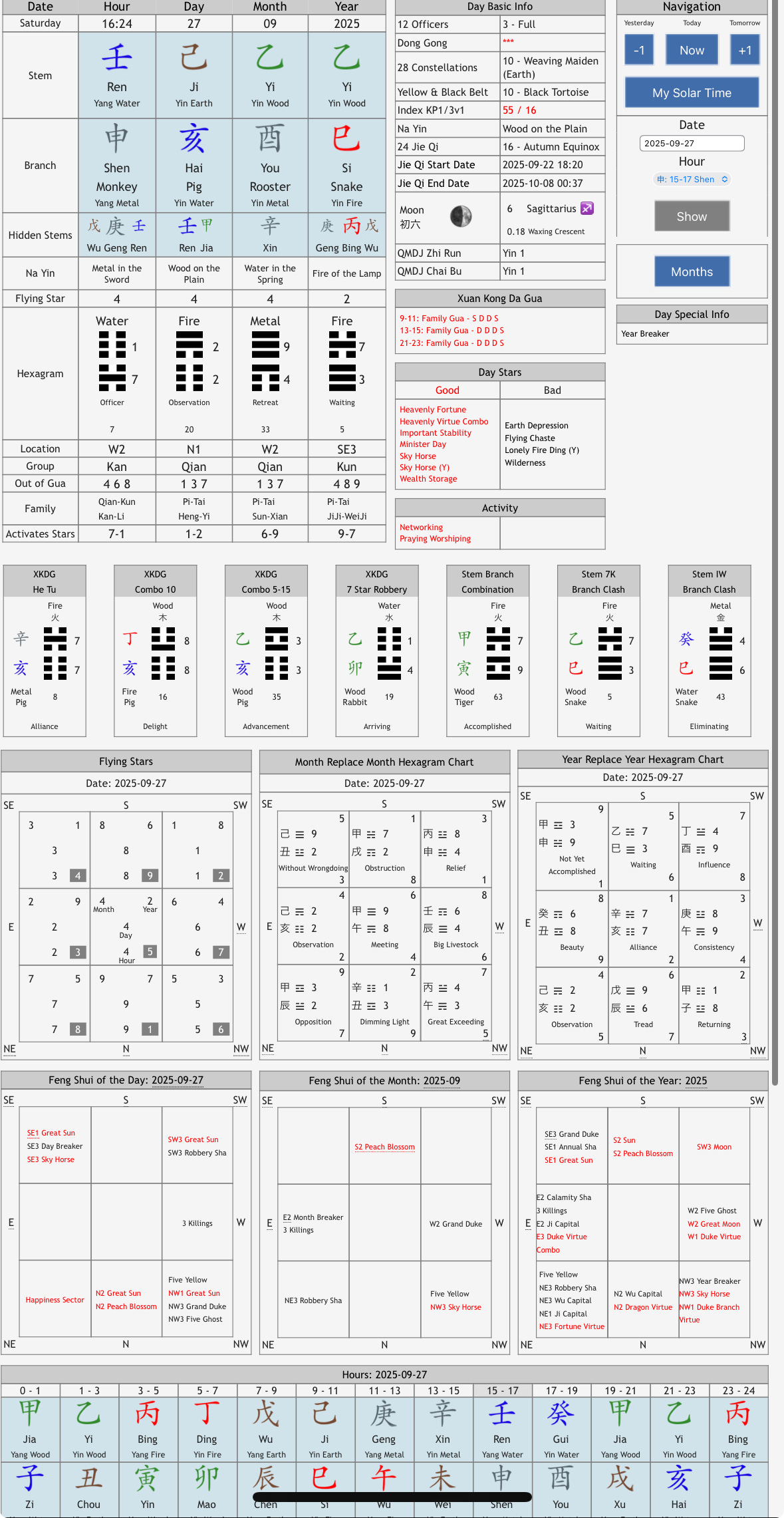
Monica Mirabile, my performance school co-founder, occassionally sends me wisdom tidbits from the Tong Shu. Also known as the Yellow Calendar or Imperial Calendar, Tong Shu is a Chinese divination guide that provides information on auspicious and inauspicious days for various activities, such as weddings and funerals. It is based on Chinese solar terms and has been used for centuries to help people select favorable dates for important events. This one excerpt felt particularly apt:
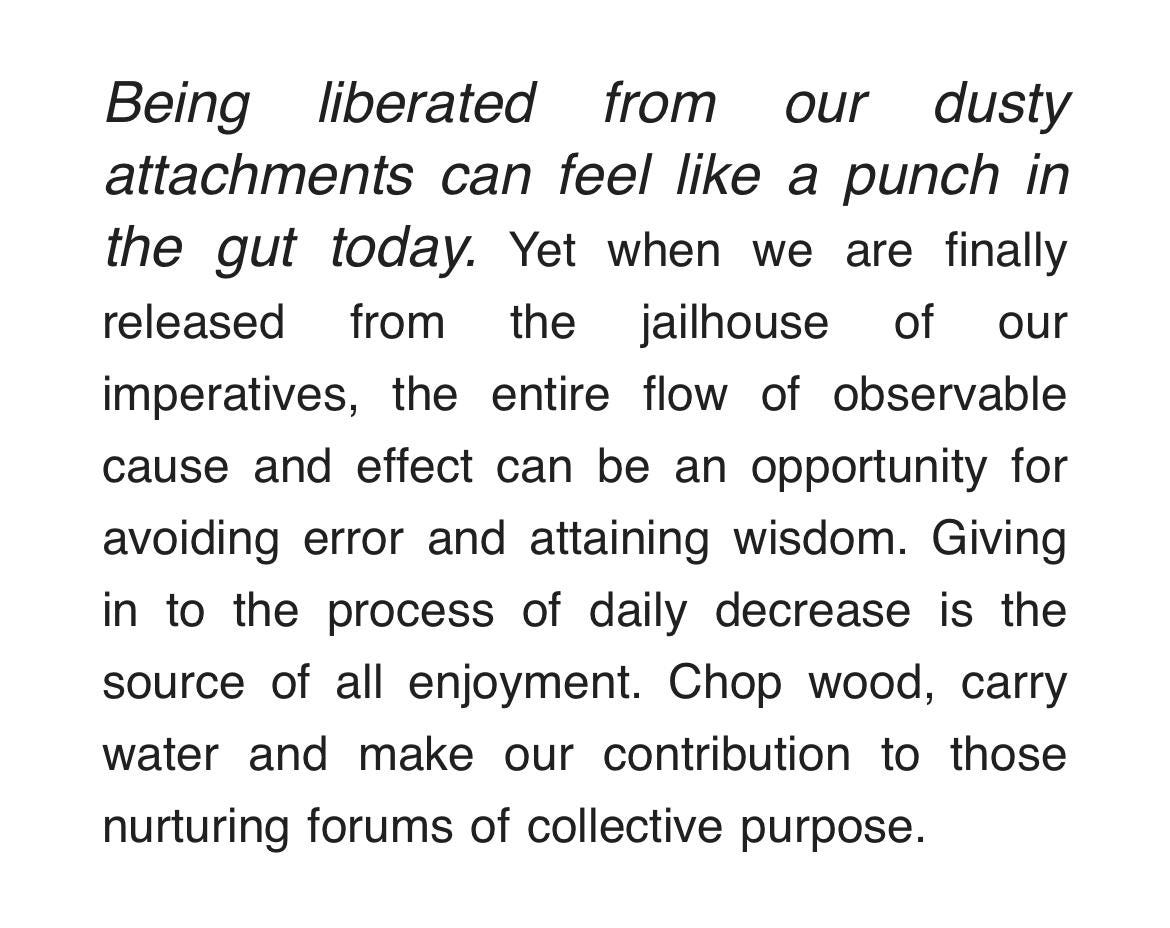
Chopping wood and carrying water? It doesn’t get much truer than that!
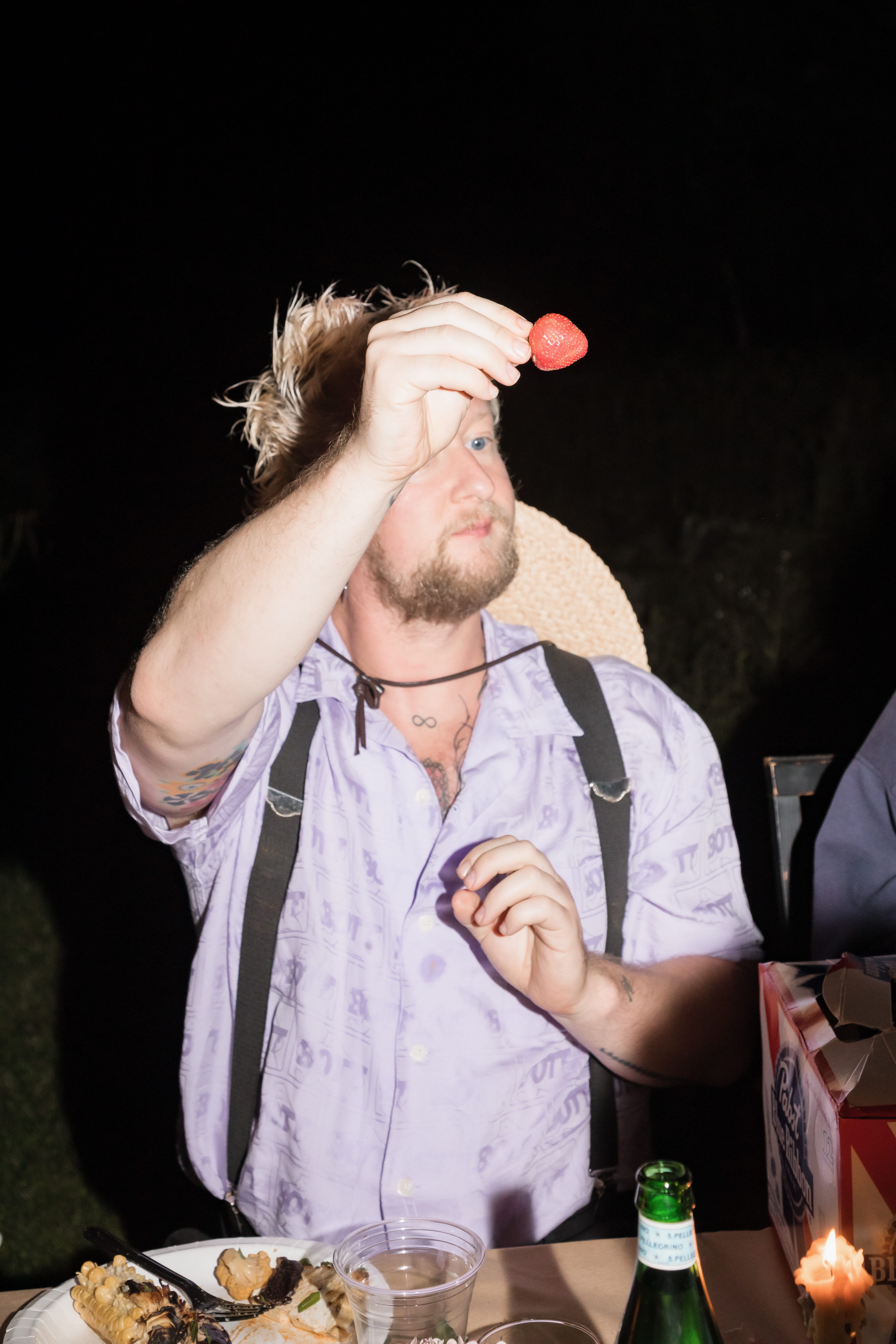
What is true? We wrapped the third year of this is a PERFORMANCE school a few weeks ago, which continues to be a potent container for expedited learning. This year, we created our first-ever public-facing performance, reshaping the sanctuary of endotic cultivation and collective exploration into something for the outside world. The risk and reward of transgressing familiar forms and the desire to prevent the calcification of performance pedagogy tore new openings into our process—new conversations, and new reflections.
What is performance school for? How does it become defined and reflected, and which principles are integral, mutable, or true?
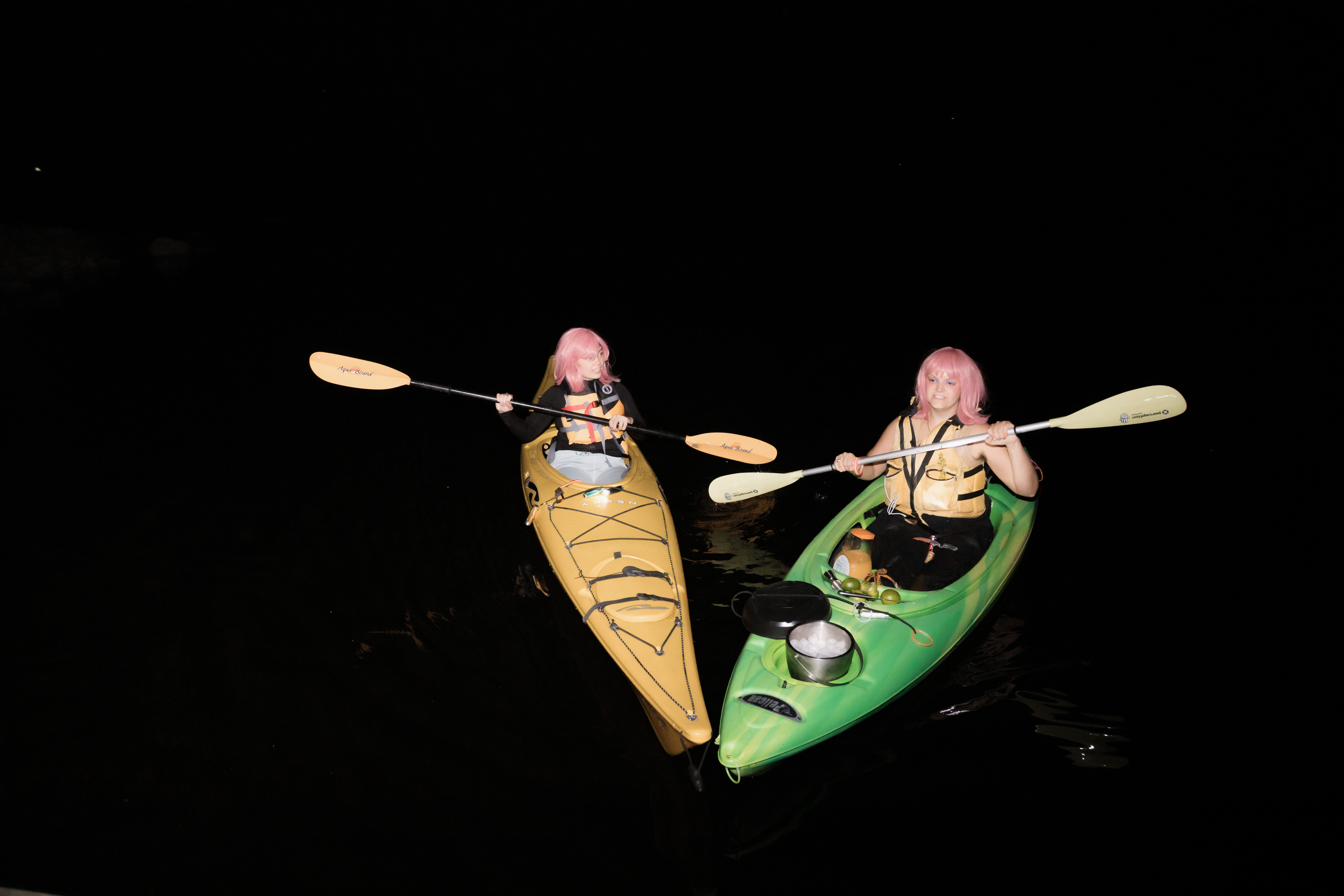
Performance production, in all its joys and difficulties, dispels so much of my misanthropy. It is a nexus of communication and logistics that affirms both cooperation and negation while still somehow managing to buttress the significance of poetry. Across the world, I find this to be true.
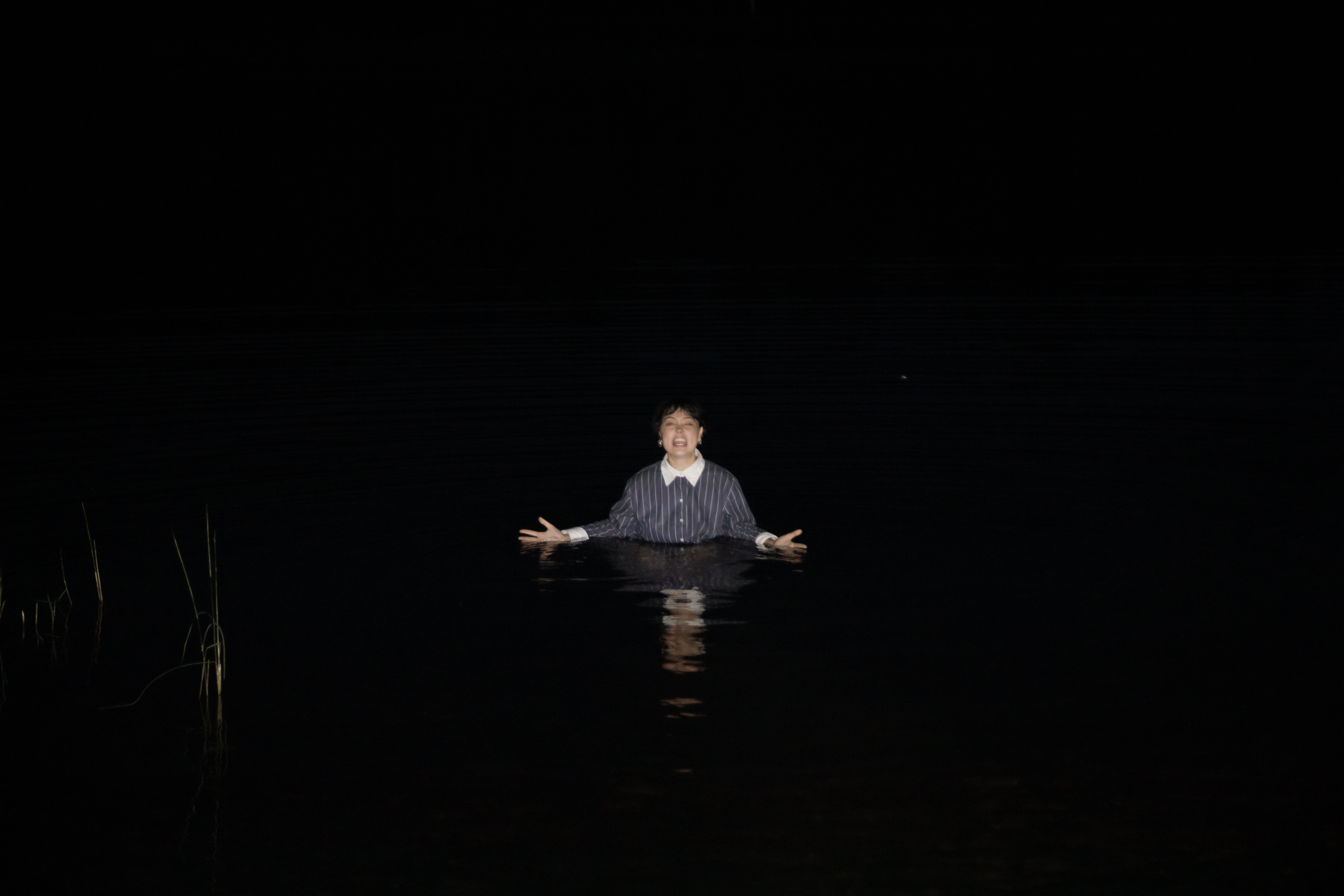
Performance production is a complex abstract process and requires its constituents to be tentacular, flexible, and willing to make mistakes and grow in real time.
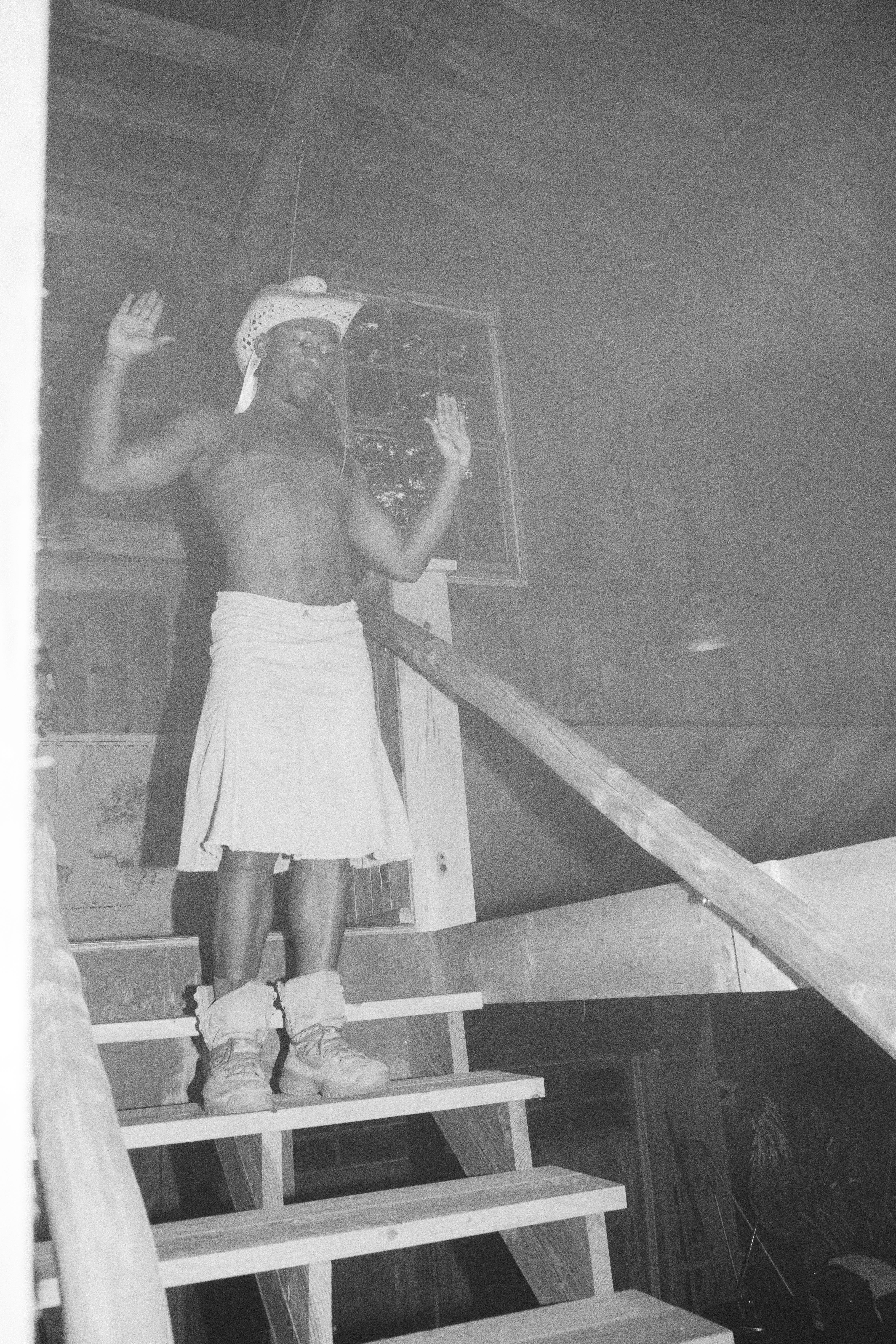
Rather than being a truth-baring philosophical apparatus, performance art and its ridiculous historical containers have defied eras of foreclosures, endings, and loss, while somehow still remaining grounded in physical reality. While writing this, I was reminded of reading Infidel Poetics by Daniel Tiffany, and this passage about the general public’s abhorrence of poetry:
Poetry, it’s true, sustains a visible subculture, yet common resistance to poetry cannot be isolated from poetry’s perceived resistance to communication. Most readers, including many literate and scholarly readers, find poetry to be perplexing or annoying. Indeed, even ordinary language in a poem strikes many readers as confusing, at once alienated and alienating. By contrast, a small coterie of readers (mostly poets and students of poetry) is so thoroughly habituated to lyric obscurity that all poetry—from this perspective—appears to be immune to the conditions of obscurity. Another segment of readers (and poets) advances a poetics of transparency, forgetting that even the most accessible poetry will be considered obscure by many readers.
Poetry and lyrical obscurity in times of un-truth function to both conceal and reveal more complex information about how we relate to how we are and where we are in time— performance annoys and perplexes a public consensus of foreclosure based in logic, reason, productivity, sense-making, and seriousness. Perhaps this defiance could be called “the tricksters’ whisper”.
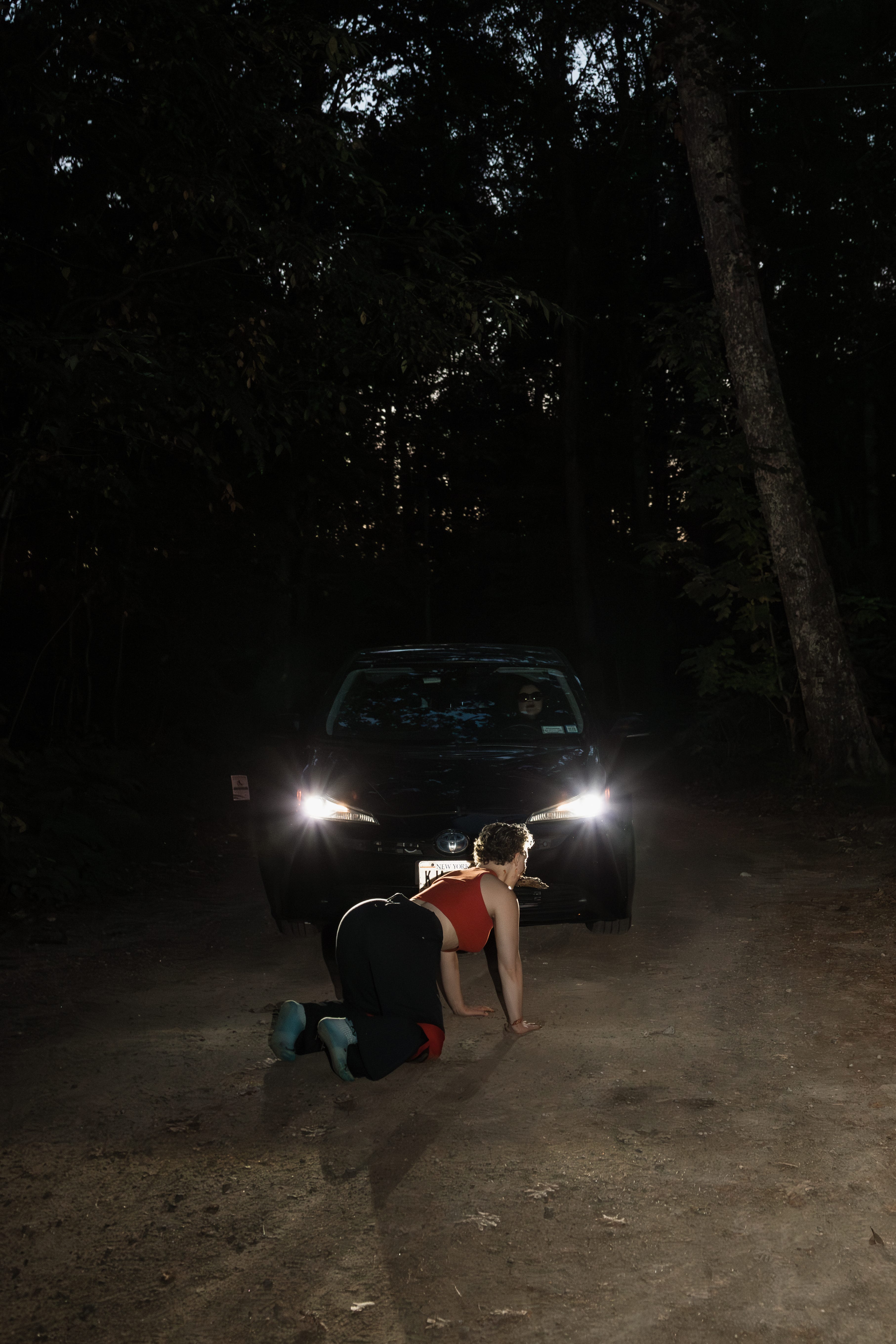
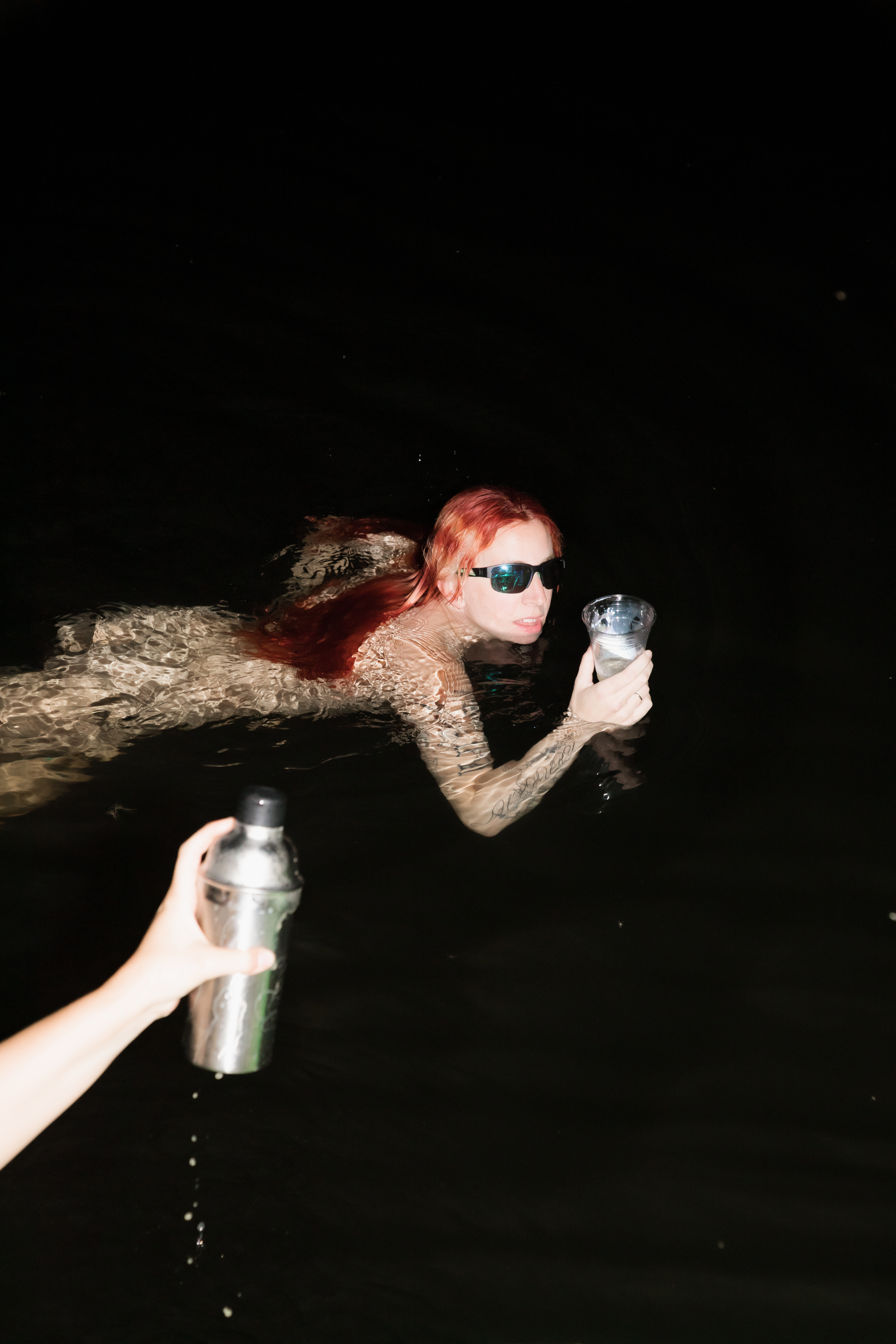
Defiance, an unexpected thematic throughline of my work over the last couple of years, seems unintentionally marked by how much people wish to adhere to foreclosures and endings right now. It is perhaps easier for many of us to sit with the certainty of loss and grief than with the possible and potential positive events embedded within a landscape of perpetual letdowns. How do I pass forward the willingness to make space for both disappointment and the resilience to anticipate good things as an artist and person, especially to those who are dispossessed of creative affirmation?
I fear that the common effect of this era of foreclosure is the reduction of our willingness to be challenged and changed. A condition worsened by living within a terse and exhausting timeline, everyone has a shorter fuse and less capacity. I think about how siloed we are by our media landscape to see potential possibilities for ourselves or others, and the reduction of younger generations’ capacity to problem solve, fuck up, make mistakes, recover, and move on.
As an artist, I feel the necessity to become more liberated the older I get through my relationships and communication with others, so that we can widen the pathway by which others are able to access those same tools of liberation and ways of being. I want to stay curious and open, especially in times of psychic warfare and foreclosure.
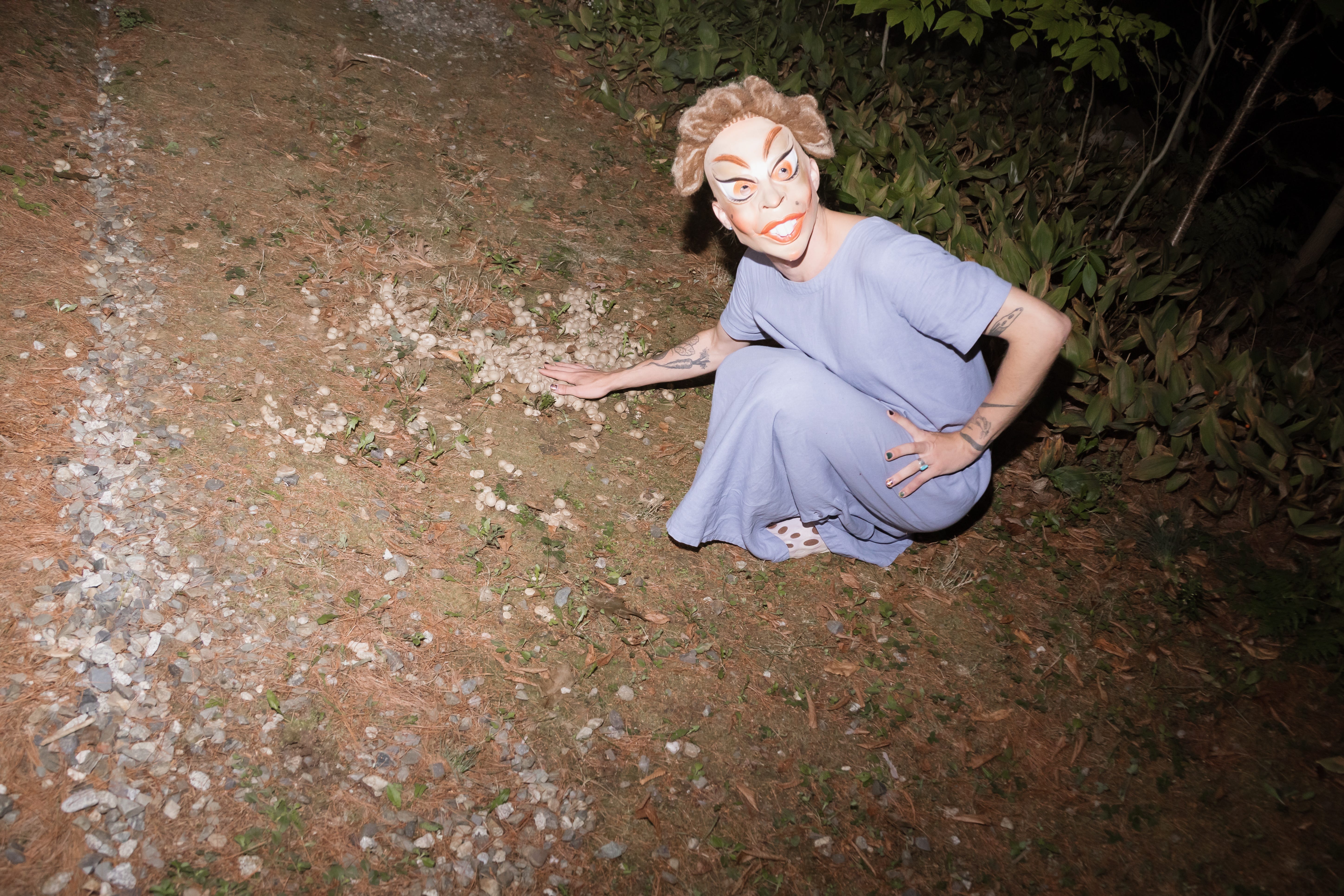
In a recent interview with Chloe Lula of Resident Advisor, I told her about my recent ventures into construction, carpentry, plumbing, electricity, HVAC, concrete, and installing windows & doors; following a lineage of artists who bridge the gap between vocational and creative work, and how deeply these seemingly distant realms of work connect. This nascent and evolving new learning for me will require propelling myself imaginatively and conceptually decades into the future for a long stretch of time. In an era of foreclosures, endings, and losing true, I want to learn how to build. Chopping wood and carrying water with loved ones in 2046.
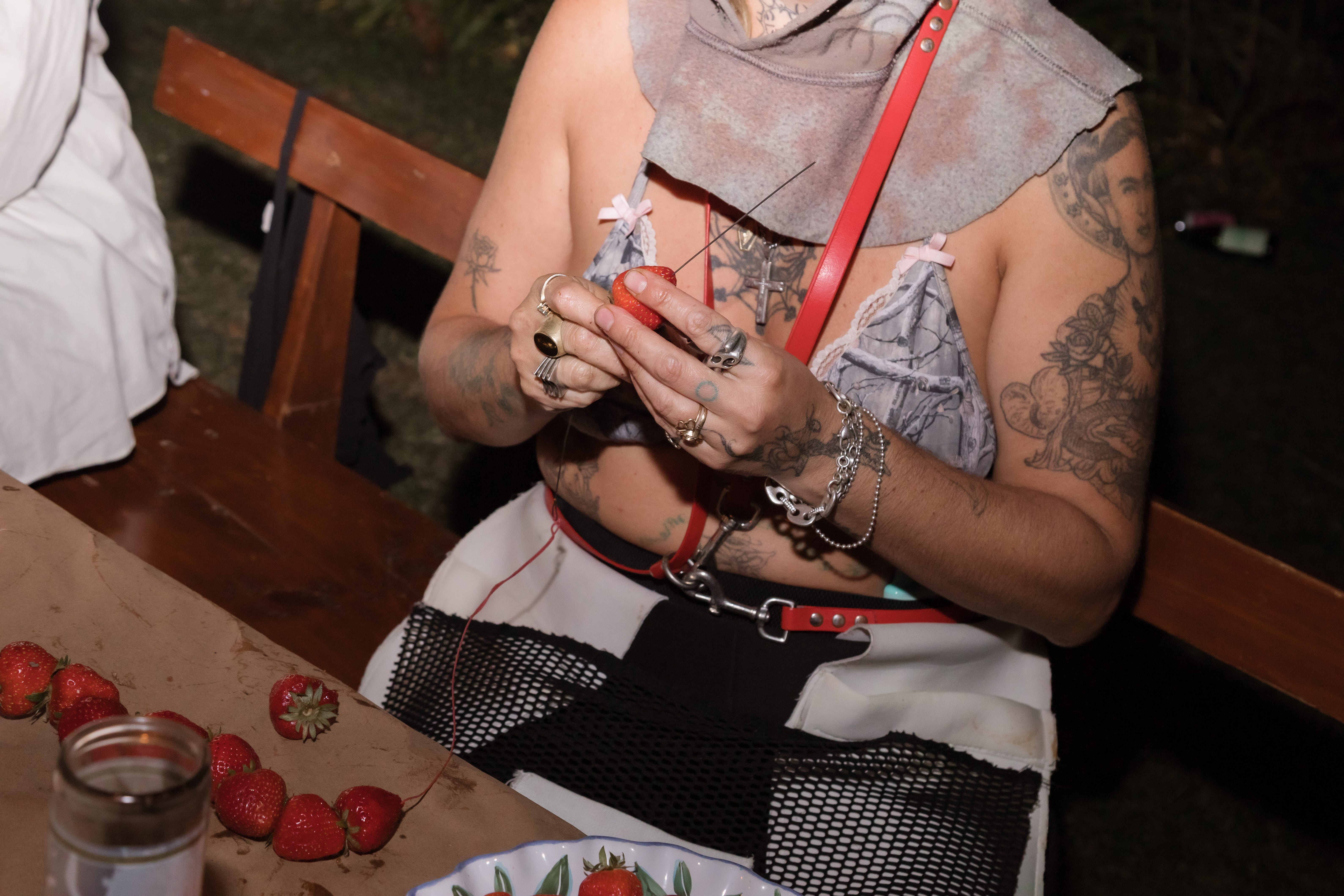
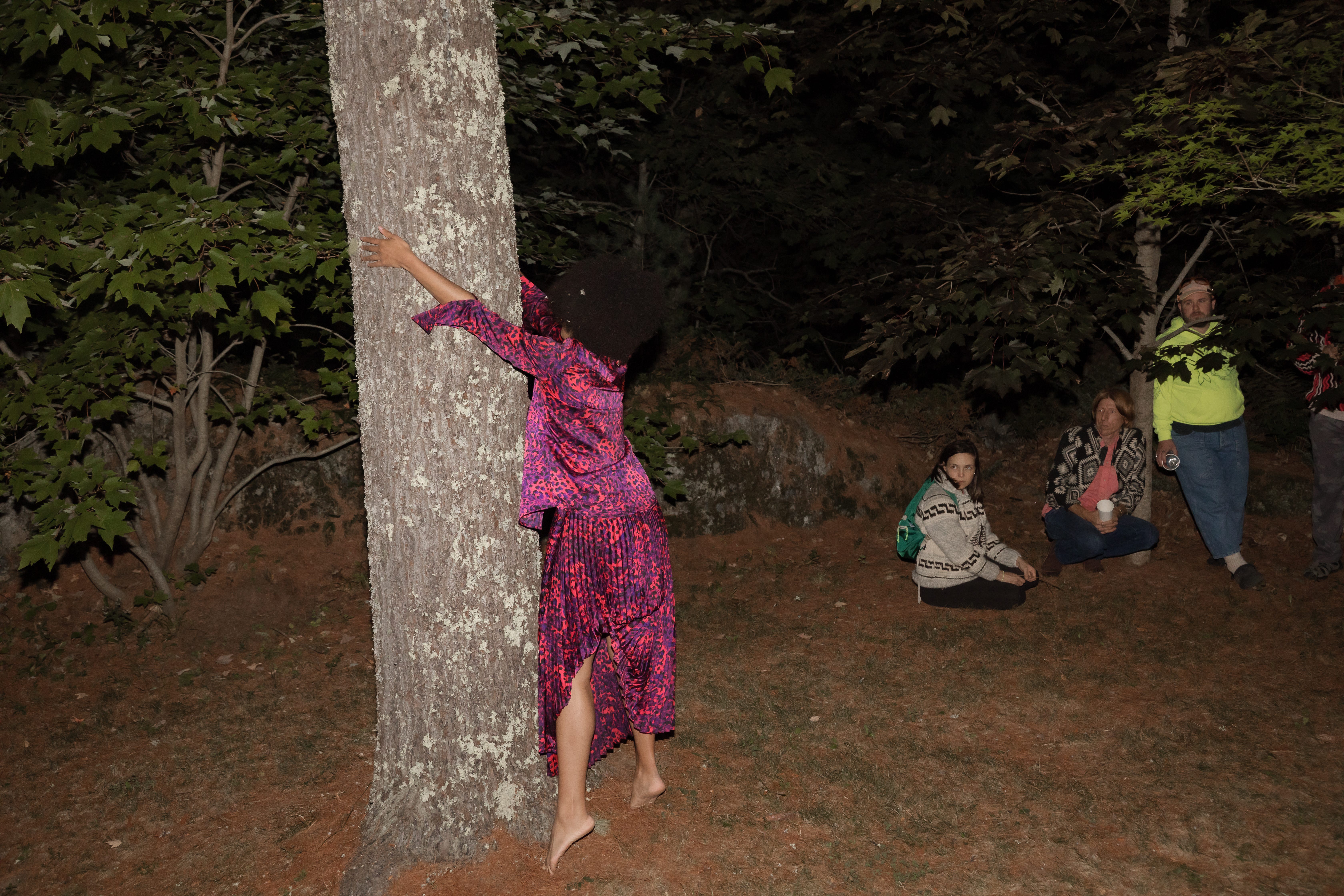
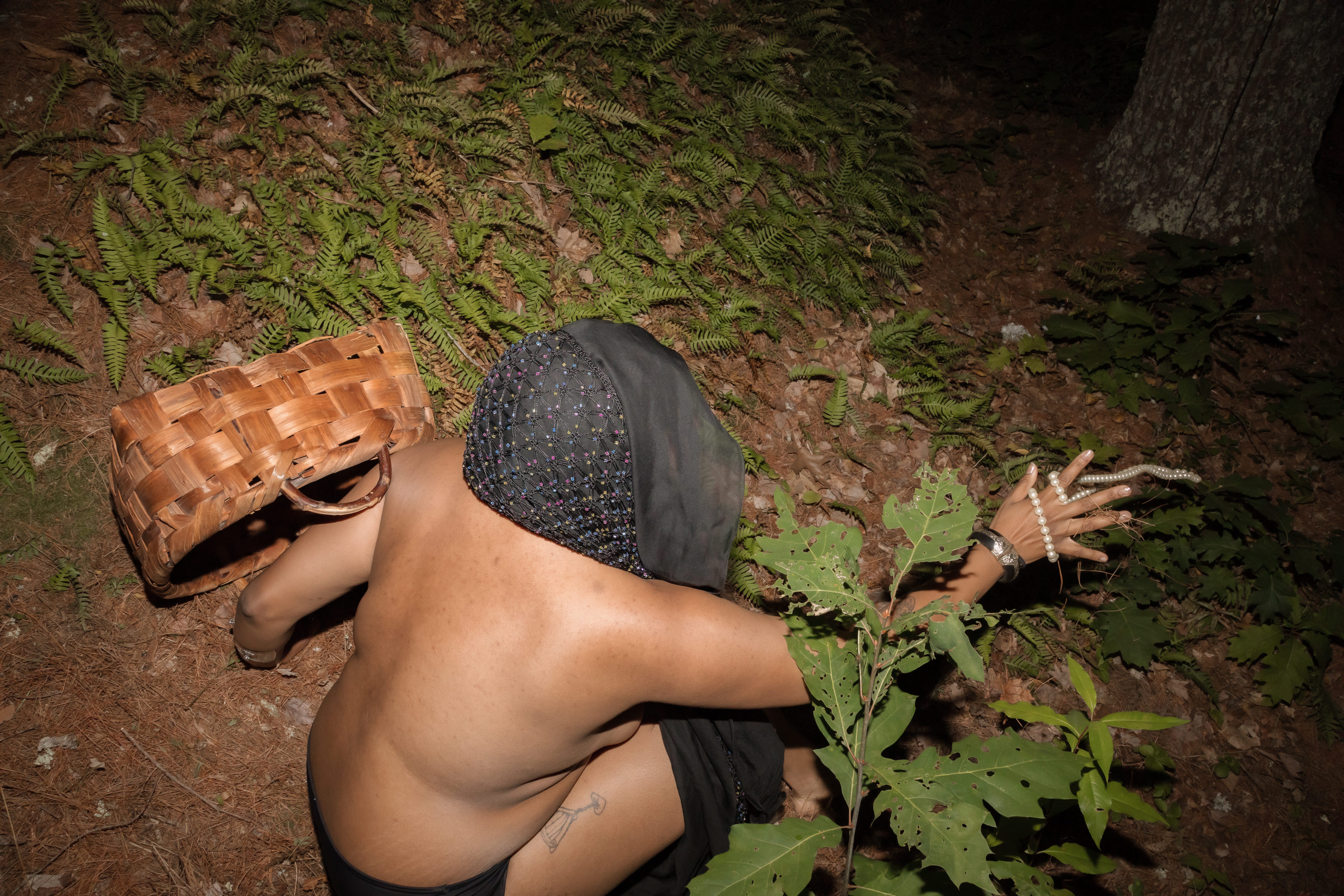
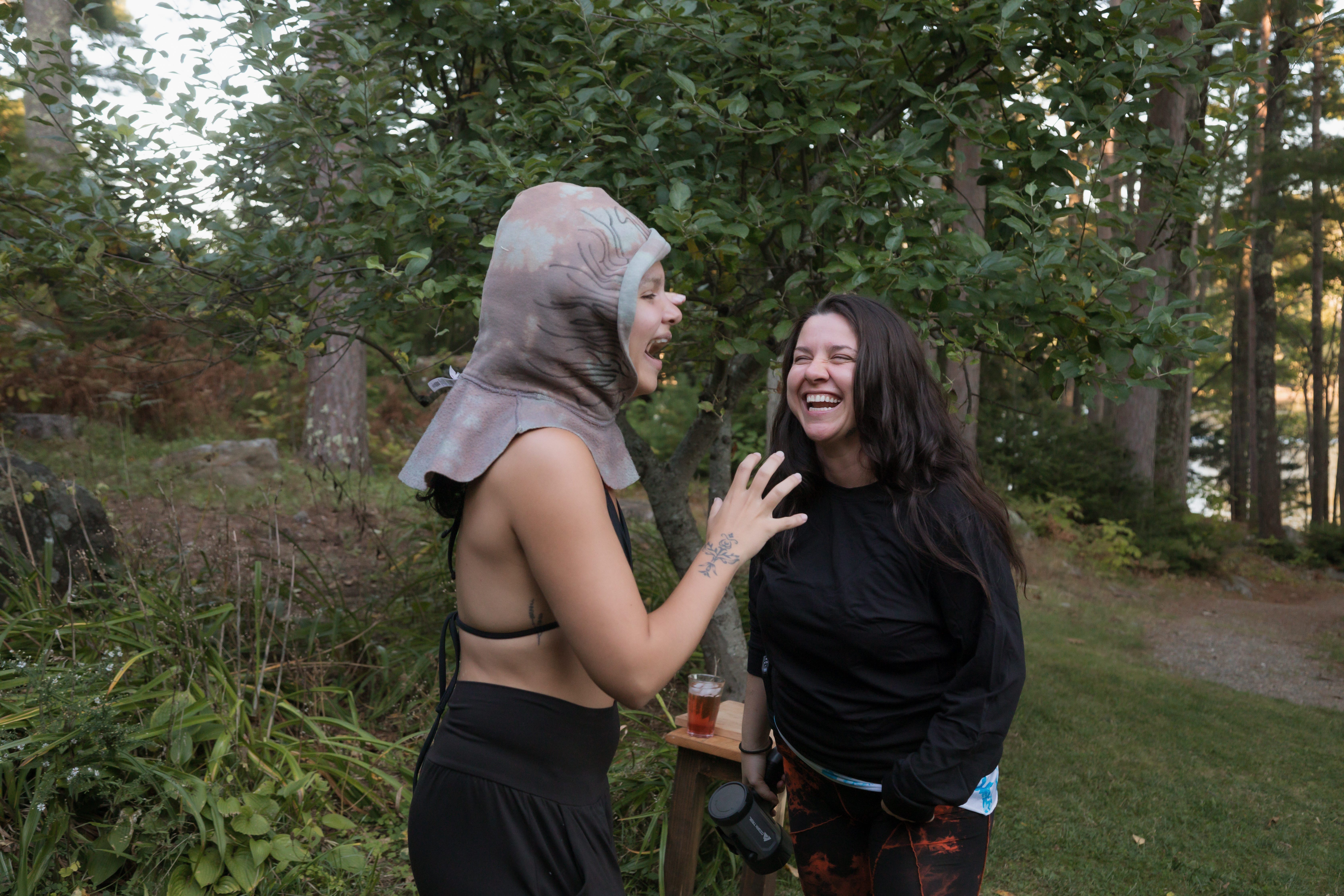
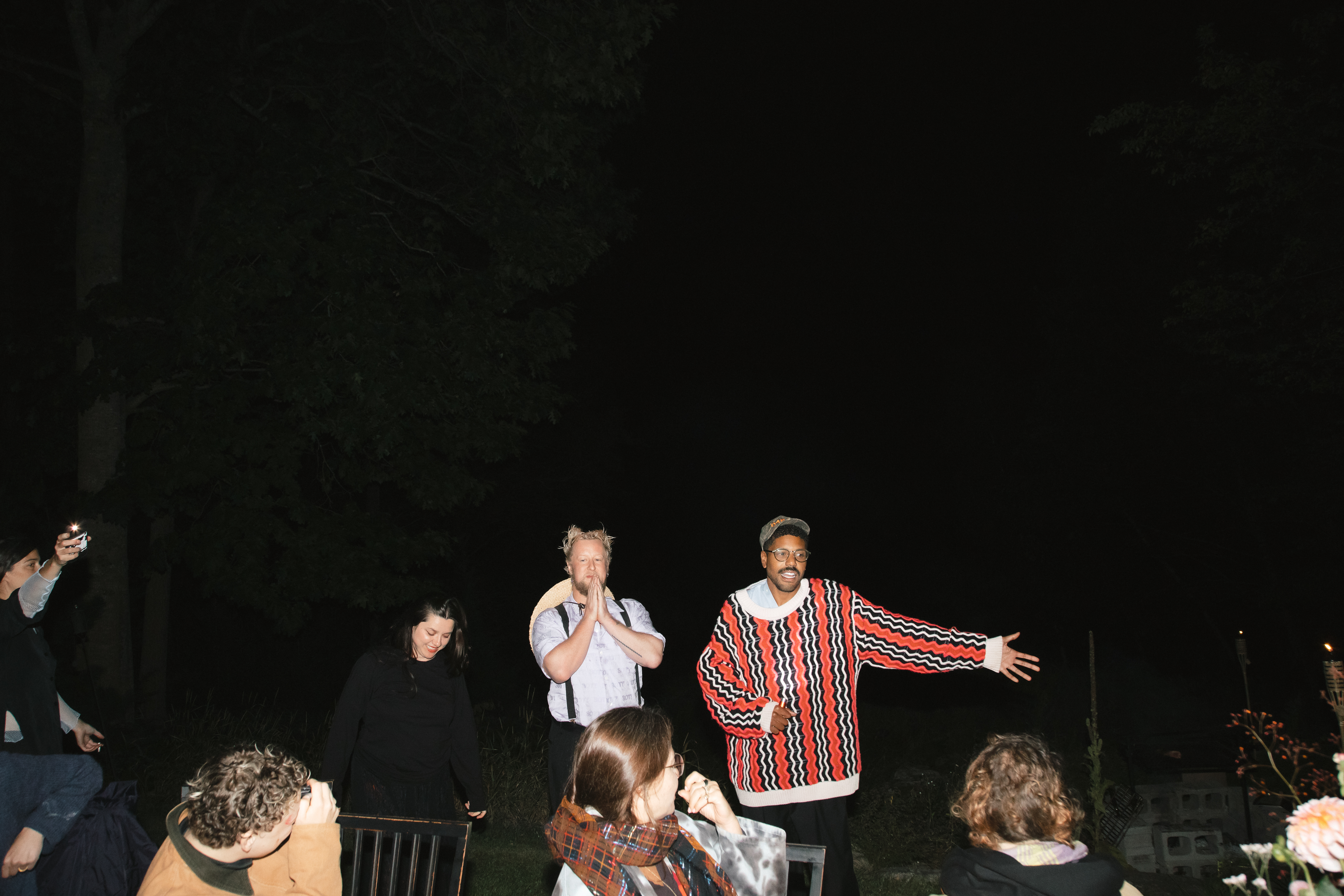
I have to extend a formal thank you to every person and participant who was a part of performance school this year, who made space for the learning and risk-taking. It takes courage to show up and show out and provide the grounds by which this process can continue to grow. Thank you to those of you who have supported, donated, and been integral figures in creating the ensemble that exists today. DonChristian Jones, Halo Perez, Monica Mirabile, Maham Rizvi, Kate Williams, Kristin Meyer, Kate Williams, Chrsitina Torres, Elise Gallant, Tina Bejasa, and so many more, thank you.
If you would like to support me and my artistic practice, please consider becoming a paid subscriber:
CURRENTLY READING:

DEEP LISTENING:
Love,
Colin Self
Beautiful, Colin. Thank you for sharing! And ofc I love The Roches 💕