People power possible
November 10th, 2025

My oh my, how it feels to stay in one place! I am here in Berlin working on music until the end of the month.
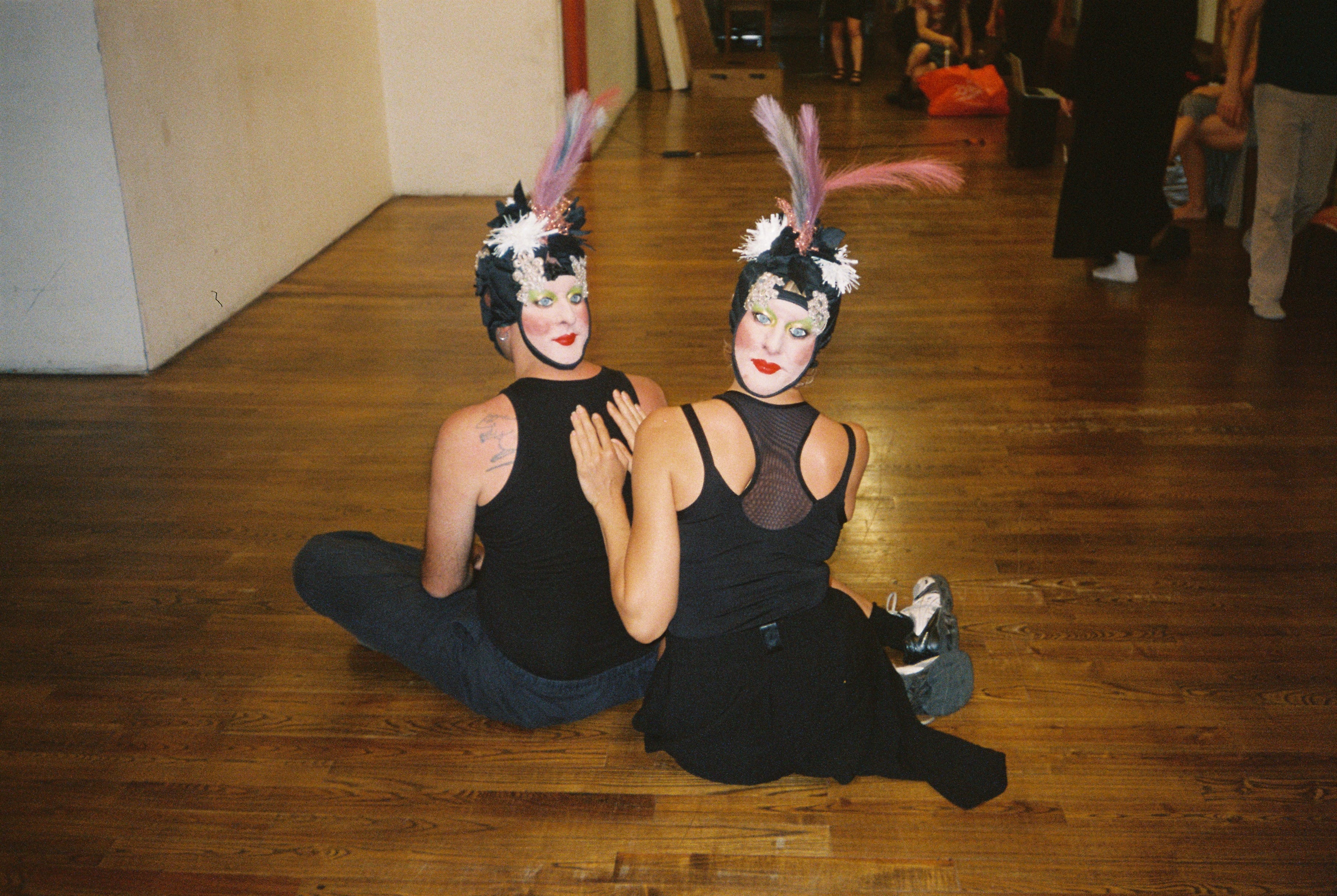
I am on the other side of a year of touring Gasp!, the live version of r∞L4nGc. I feel deeply grateful for the trust and support of the many XOIR ensembles, my cousin Peter Bowling, Roman Ole, the organizers, curators, my booking agent Joe Hatt, and the countless people who came out to each of these performances. Amidst the onslaught of a polycrisis we cannot untangle ourselves from, I hope to articulate the perspectival transformation born from collective organizing across several cities and countries around the world, and how this experience complicates the depraved, depressed, and spiritually bankrupt domain that continues to dominate an exhausted media landscape of artists, writers, and thinkers.
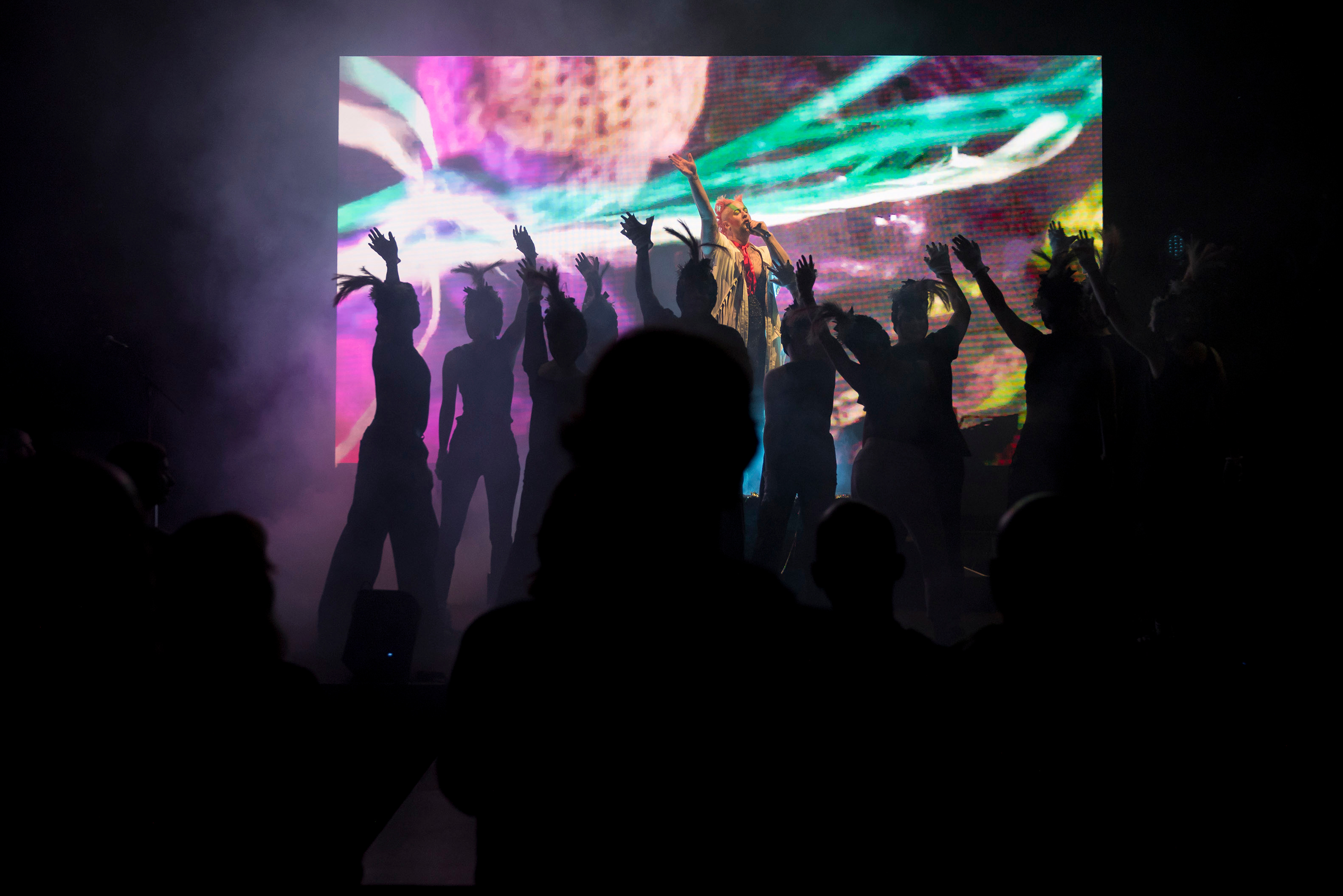
Gasp! was intentionally designed to function as a temporary assembly of local performers in each city, uniting strangers (and sometimes friends) to adopt a performance score of music and choreography imbued by the register of regional politics in each location. Gasp! is first and foremost a ghost story, at first about the resurrection of a “nameless ghost” and then gradually about the resurrection of a collective spiritedness. Beautiful, wild, courageous, sexy, freaky, brave people showed up and showed out with a willingness to embark into an opaque process with me. Repeatedly bearing witness to this courage and trust reminded me that, regardless of where you are, people power is real.
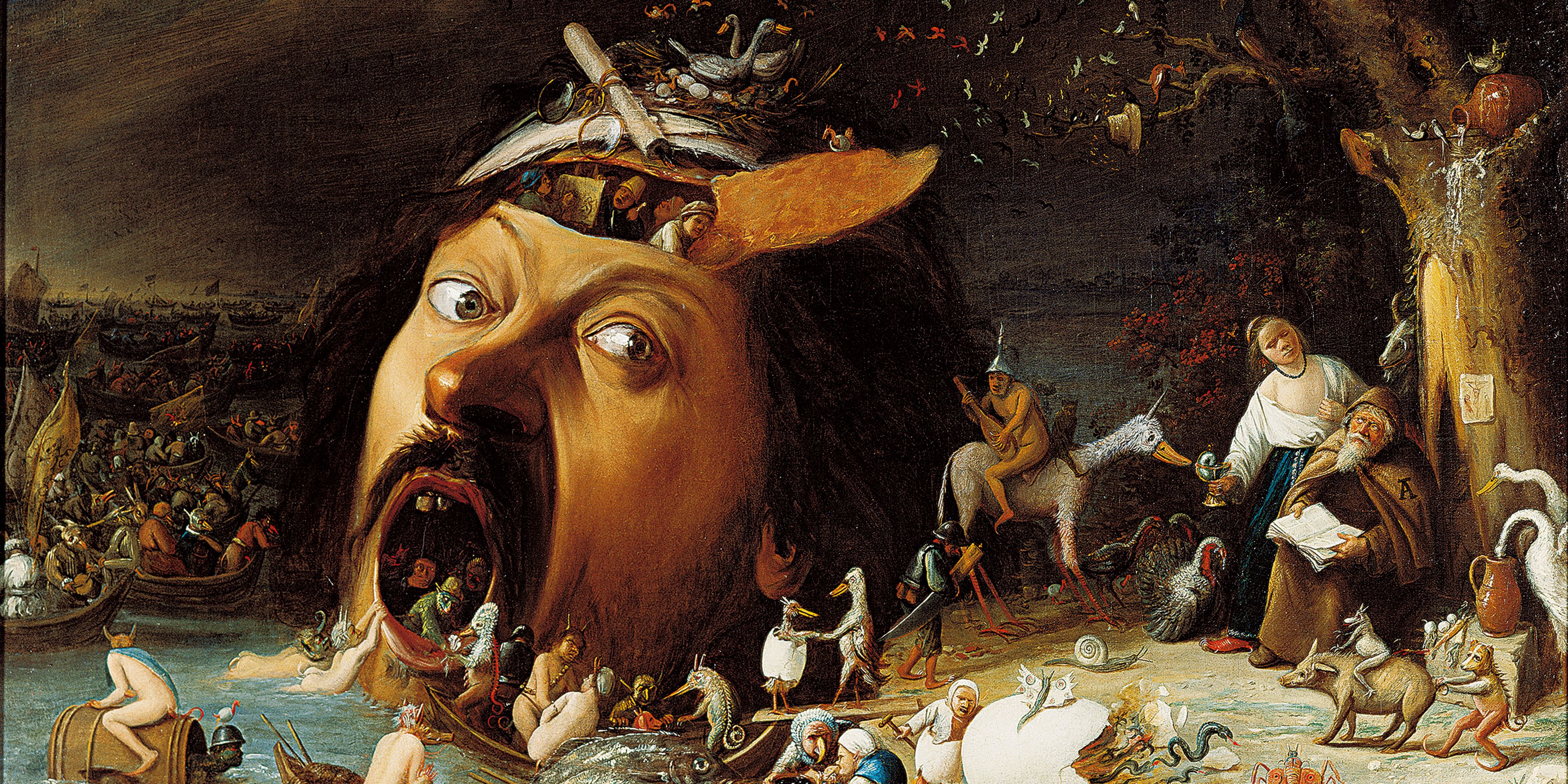
From my POV, publicly making mistakes, being ridiculous, and not taking yourself too seriously have become scarce permissions in a professionalized artistic working class aiming to leverage its discretion of value. I cannot help but see this dynamic as a correlate to people’s feelings of lostness and stuckness while living inside of a Hieronymous Bosch-ass collapse of reality. Watching cultural markets and communication systems collapse, mutate, and contort into an alienating landscape of exhausting bewilderment propels a reality in which the messy, complicated, ridiculous, terrifying processes of learning, developing, and becoming are avoided. In every city, however, I encountered individuals and communities resisting such a narrative, continuing to nurture poetry, alterity, and possibility in the face of the worlds antipathy.
The scenes and foundations of support, mutual aid, and collective practices occurring in each location I toured, even with all their nuances and complexity, are not widely broadcast or even visible on social media. The performance scenes in Zagreb or Prague, or Portland, or the other Portland, are all richly active with people building a world for and with one another.
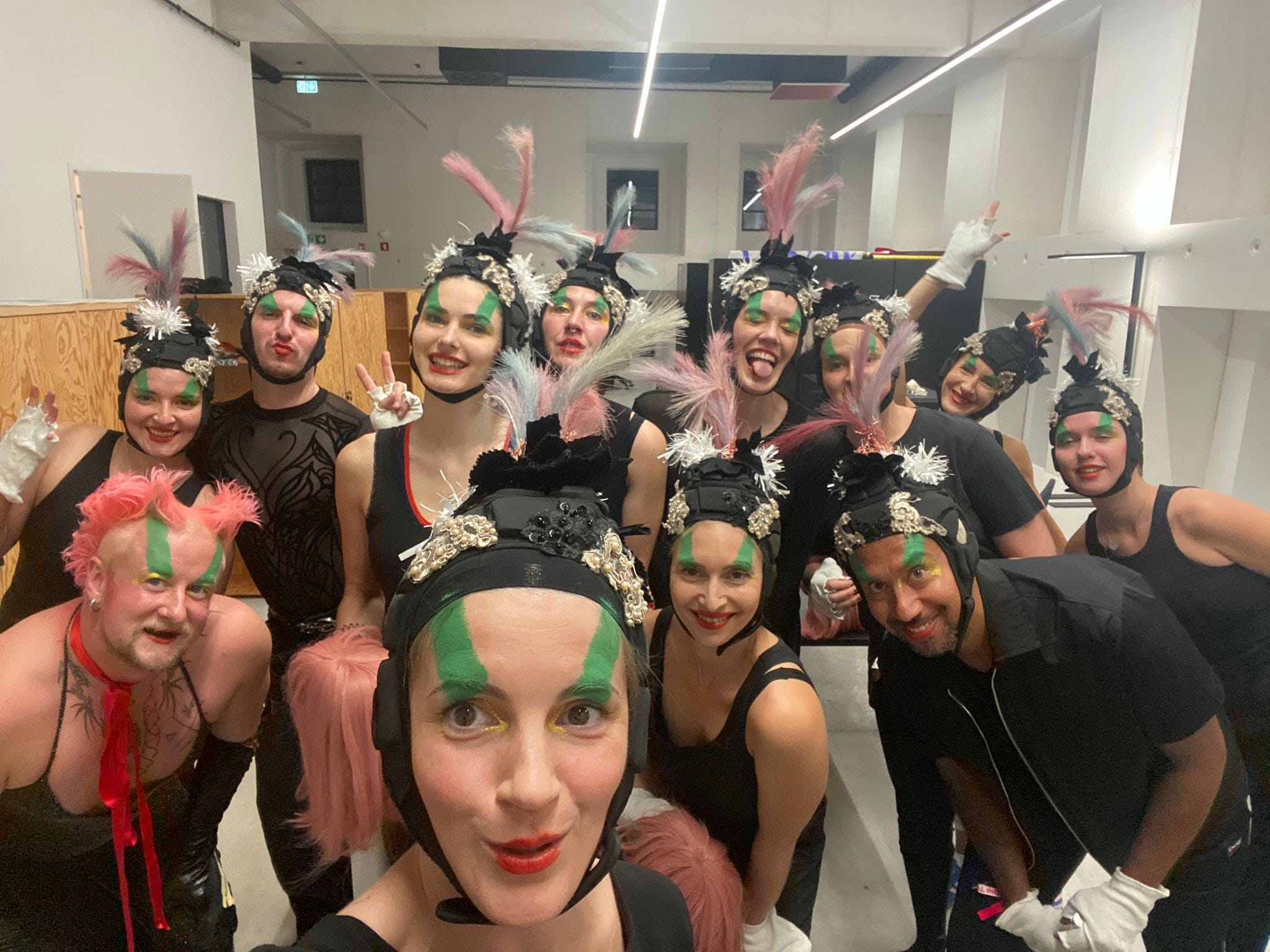
The tedious myth of subcultures’ death in the last decades is perhaps best narrated by those who have professionalized or economically leveled up outside of a sociopolitical need to rely on communality and the capacity to make things work within the margins. I am not here to draw a polemic or satirically valorize the underground as glamorous, but I will name the meaningfulness of the relationships made while on tour and the immensely inspiring art, writing, drag, and music being made by XOIR people.
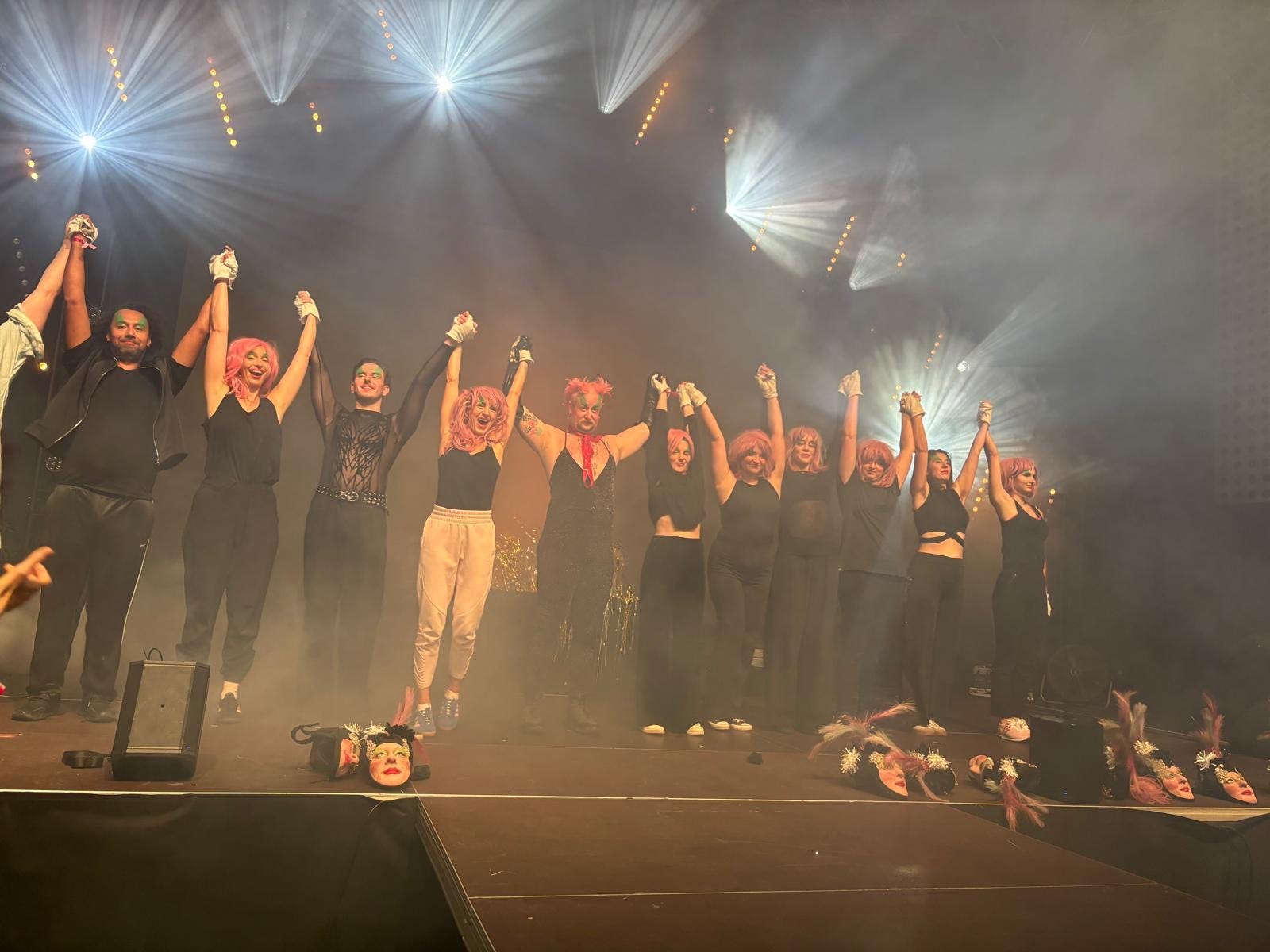
When creating XOIR sessions, I like to demonstrate the significance and ease with which people power becomes possible. In seeking to do this, I have been drawn to others who do the same, which has greatly aided the central component of this perspectival transformation. This is one of the reasons I am going to launch a Colinslist Discord to connect these groups, along with music fans and the years of performance school attendees. Clever cynicism has never really been my forté so I am leaning back into organizing and connecting people.
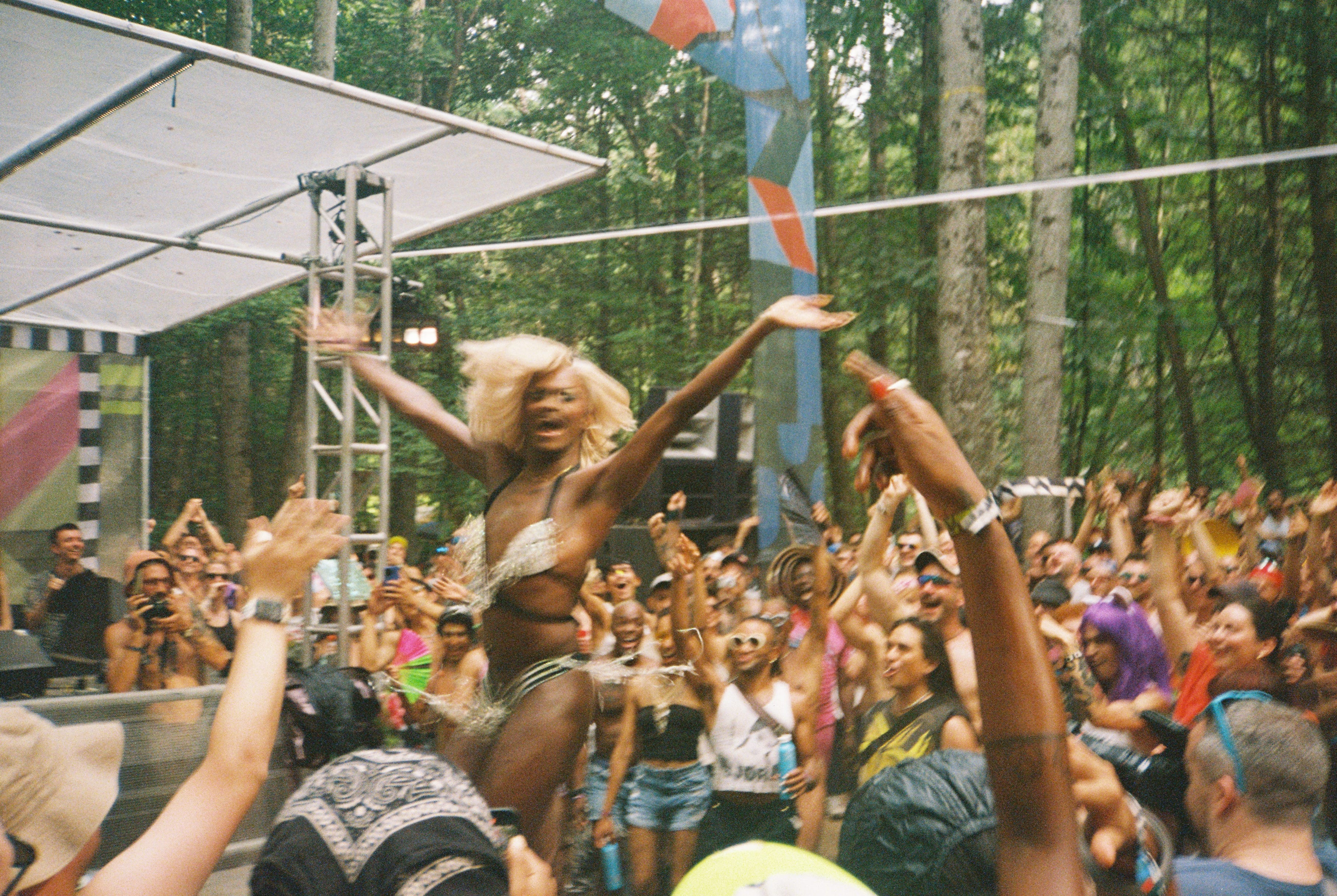
It feels very autumnal to revitalize routines and revive things like my telegram meditation group, the collectively authored How to Survive Winter in New York, and begin designing the Colinslist Discord— a housing group of 5,000+ is soon to be resourced as many more things: gigs, residencies, services, communities, and a central hub to connect performance people, including all of the incredible people from tour. I aspire to build an international performance network for people to communicate with one another, find resources, politically organize, create gigs, etc. This will be launched here on my Substack later this month, along with the first-ever Colin Self Merch drop!

At this point in my life, I feel like I have a rich understanding of the complexities and nuances, the privileges and perils of how Carmen Sandiego feels. Being an elusive chanteuse has its pros and cons, but recently I’ve found it much easier to settle into the acceptance of a transient lifestyle. Having worked toward a larger arc of construction goals has made the future a little less opaque. I’ve always considered the role of the artist to be as much about creating new systems as it is about creating artworks. If the performance-art-and-puppetry-to-construction-and-architecture pipeline is confusing to you, I don’t know what to tell you!
Carmen Sandiego is an interesting case study, and not just for her iconic red trench coat and flowing brunette locks. As an Argentinian orphan who grows up to become a detective and lady thief, and the central figure in the criminal syndicate V.I.L.E. (Villains International League of Evil), she eventually works as a double agent whose primary motives are the thrill of the chase and the challenge of proving she can do anything. Possibility and the advent horizon of her attempts to dream hairbrained schemes of thievery into reality propel her into a fractal mythology. But what if she gets caught or fails? She doesn’t care! Soon she will not be there!

Even if plans can disappear— without drawing forward a horizon, we lose the capacity to be excited about possibilities. Dreaming and imagining are, indeed, important forms of planning, especially when we are afforded the discipline to put those dreams into action.
I teach a class at NYU about experimentalism and performance, and something I like to call into the room is the term “imaginal hygiene,” naming all the ways in which people become dispossessed of their ability to imagine and problem-solve in the face of various impending polycrises. Imagination is a muscle that can grow or atrophy depending on how much you use it. I recently heard a prison abolitionist speak about how abolition is not just about ending prison systems; it is about asking people to draw forward in their imaginations what could replace the prison industrial complex.
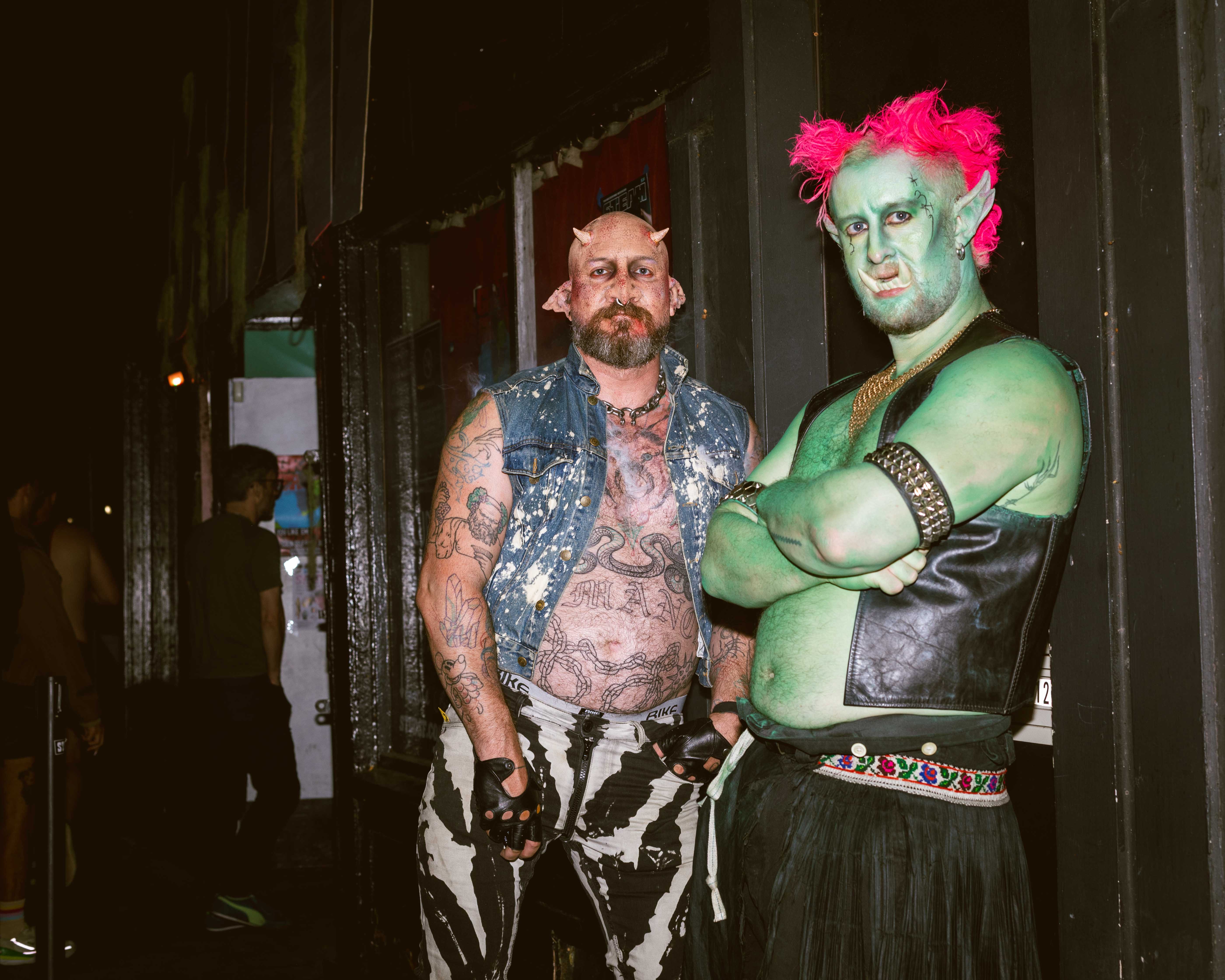
Organizing work can take many different forms, and sometimes it is purely about desire and fantasy becoming embodied into physical reality. Cornelius, aka Vivvyenne Forevermore, a central figure in the SF drag and performance scene, pulled together a dream team of artists, builders, and prosthetics pros to bring GRUNT to life. Getting flown across the world to be in a room of queer orcs, trolls, hags, and creatures dancing and making out reminded me of how deeply worth it is to pursue the most ridiculous, strange, and seemingly impossible desires.

I want to finish this post by naming a facet of collective power and consciousness, and how these two things relate to one another in our present situation. Mandami’s monumental win last week as New York mayor, along with several other socialist-leaning politicians across the states, has lifted a veil of despair and instigated some pretty entertaining crashouts, particularly from Debra Messing and Jerry Gagosian. A widespread racist panic and alleged threats of exodus from NYC have instigated a deeper understanding of just how fragile the fascist beast of America is.
What feels important to note about Mandami’s election and the immediate move to introduce a stellar transitional team, including anti-Monopoly icon and ex-Federal Chair Commissioner Lina Khan, is that this was a grass-roots organizational movement that started with a 1-2% approval rating, and led to 100,000+ volunteers canvassing and talking to other New Yorkers. This success was built by people talking to each other.
What I am trying to connect here is that the collective feeling of possibility and the capacity to imagine something actually good happening in the future was born out of people's power, not Mandami alone. It is only from the collective imagination of a small group of people who spoke to and interacted with strangers everywhere that this change became possible. Within the system of canvassing, volunteering, and talking to strangers, the campaign managers stressed that people not proselytize and instead speak only about their personal experience.
We can fundamentally recognize at this moment that the biggest fear of the burgeoning technofeudalists is literally just people talking to each other. Regardless of what comes next, it will not be Mandami or other politicians who will create long-lasting improvements for the places and people we love; it has to be us, and as many of us as possible, continuing to show up and talk with strangers, willing to make mistakes in temporary assemblies. Go out and talk to strangers.
Love,
Colin Self
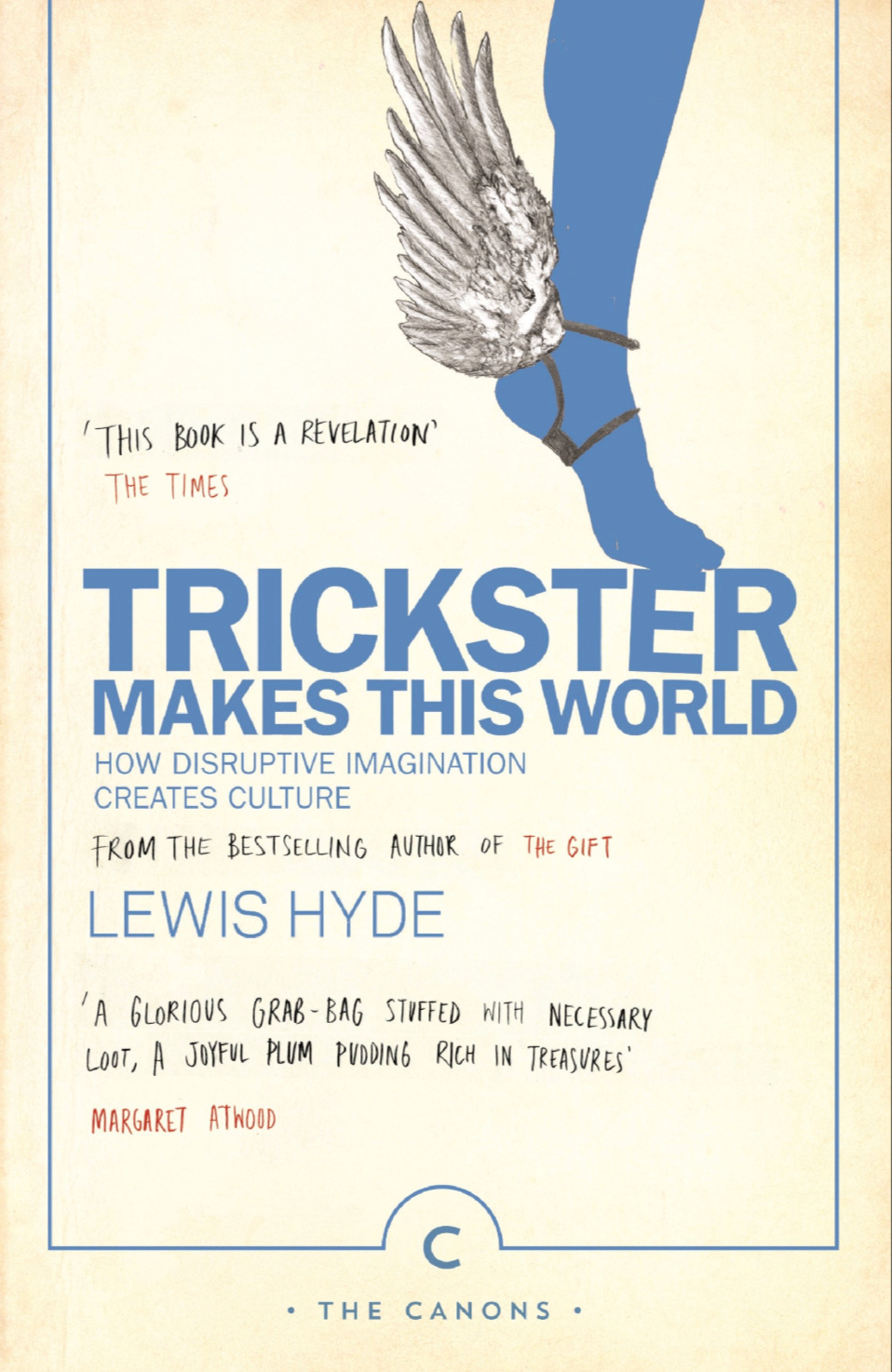
CURRENTLY READING:
DEEP LISTENING:
Love you and your sweet words.
These masks are really beautiful