world aids day
December 1st, 2025

I had an unexpected weepy moment in the kitchen earlier tonight, overwhelmed with grief for all the people we have lost over the last half-century to AIDS and HIV. I cried because I felt sadness and rage that instead of feeling that things have changed drastically since decades ago, I feel the closeness of the ongoing AIDS crisis as 9.2 million people are living with AIDS and HIV without access to treatment and for the first time ever, the U.S. government will not acknowledge World Aids Day, which was announced shortly after massive budget cuts to AIDS healthcare worldwide.
Frequently, when I talk to people about AIDS/HIV, especially young people or straight people, they talk about it as something that happened and not as something ongoing. The media landscape and demographics have shifted, but the tides are turning swiftly in a way that warrants concern for the decades to come.
Working on the performance Help The Dead with Every Ocean Hughes, I was introduced to the legacy of Stan Darby, a person who died of AIDS, who developed a script alongside Bus Hermes for learning to take care of people in decline.
Today is the 37th World Aids Day, and I am 37 years old. I have thought about this every year as I get older, that my lifetime runs parallel with World Aids Day, just two weeks before my birthday, and I ask myself if this is why I have always felt such a dire need to live in continuity with those who died during my birth time. When Agosto Machado begins to speak about the array of photographs of friends lost, fighting back tears, I think about how it must have been to be a hospice careworker like he was, taking care of friends with AIDS/HIV for TWELVE YEARS of his life. TWELVE YEARS!
I grew up so terrified of AIDS/HIV and convinced that I was going to die the moment I ever tried to do anything gay. I remember going to the bathroom and vomiting out of fear the first time I ever went on a gay date. I forgot how formative that fear was for me.
The first time I ever had gay sex, I drove myself to the hospital the next day to tell the doctor that I had AIDS and cried, telling him that I was scared to tell my parents that I was going to die. The guy was so sweet, and he sat me down and explained to me that that wasn’t how HIV worked, but that he would be happy to give me an HIV test and explained how sero-conversion worked, and gave me a pamphlet with recommended reading and a phone number to call. I was terrified of my parents finding it, so I wrote the number down in my journal and threw it away.
When I started working on my record respite and levity for the nameless ghost in crisis, I was thinking about Stan Darby, Bus Hermes, Issan Dorsey, all who helped establish structures of care and dignity for people in decline— and all the unnamed people who fought for my rights, who developed coalition-building, and who faced systemic inequities for immigrants and people of color. We need to not only grieve the memory of these people, but also celebrate their hard work, and even more so, those in their 70s/80s who are still around today, like Agosto Machado and Linda Simpson (both not a day over 46) whose lives and practices remind us how to be in relation to one another across time.
Reading Sarah Shulman’s Let The Record Show was a life-changing experience. The role lesbians and women of color have in the legacy is unparalleled, and if you are looking for a big book to cuddle up with for the winter, this might be the one.
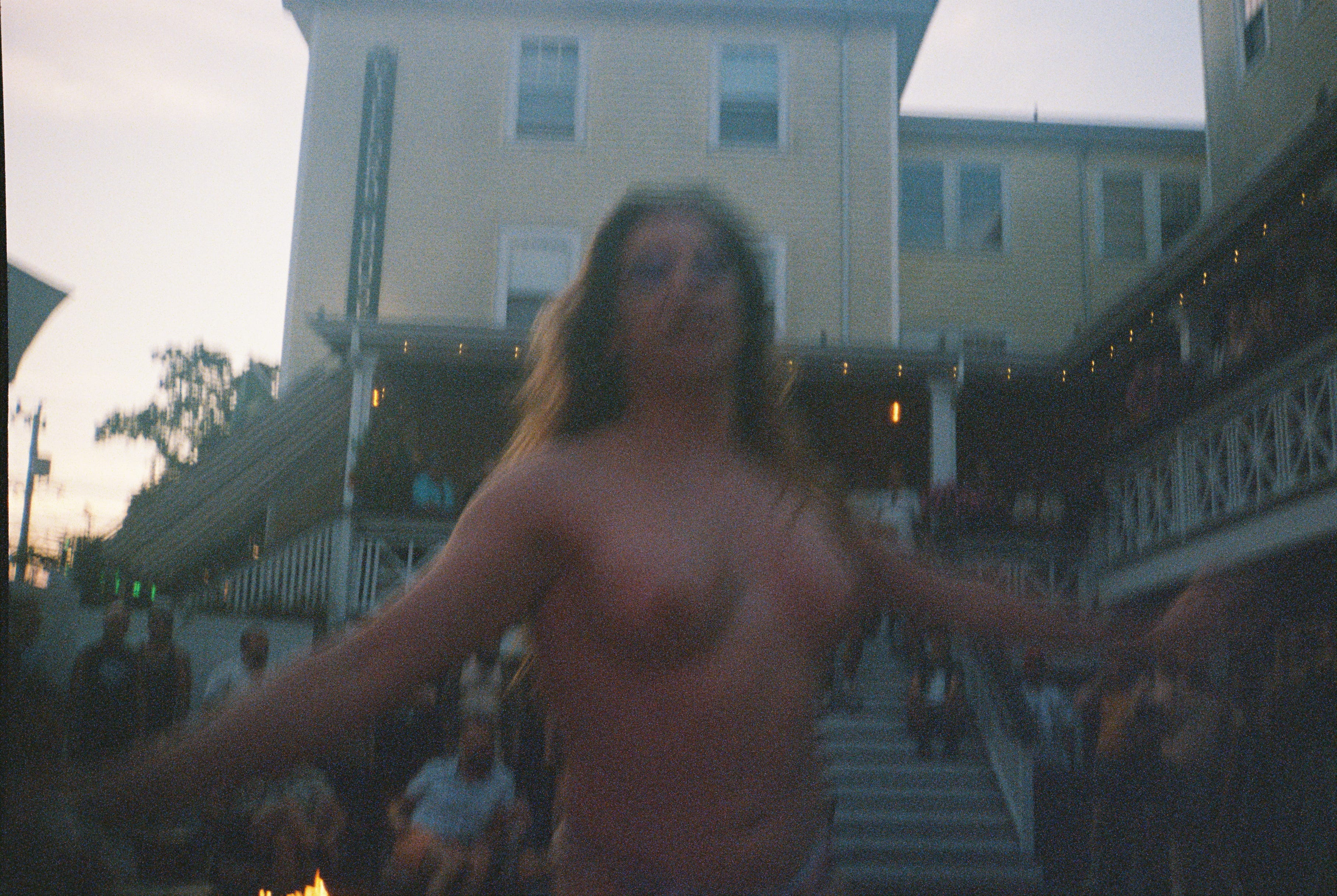
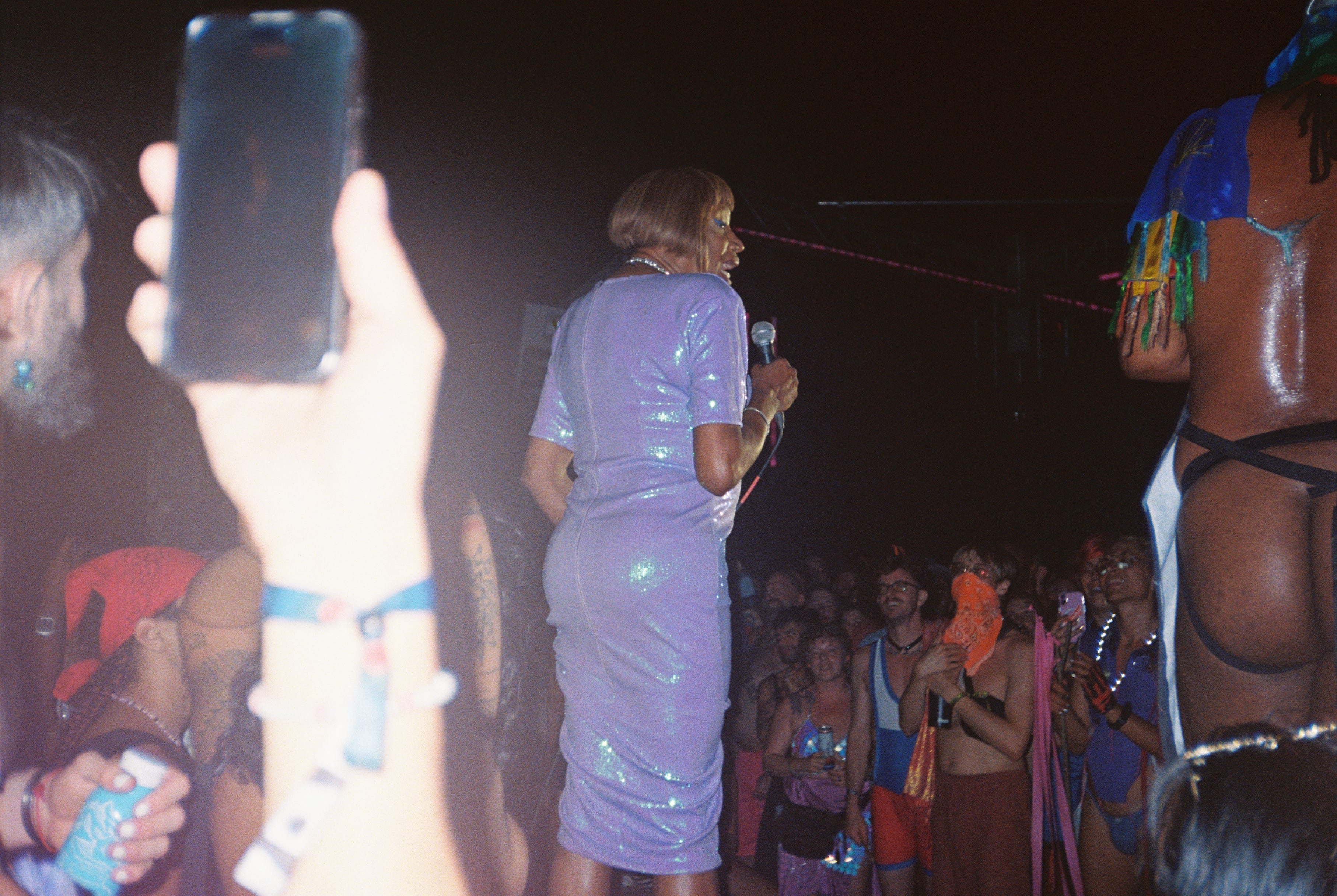
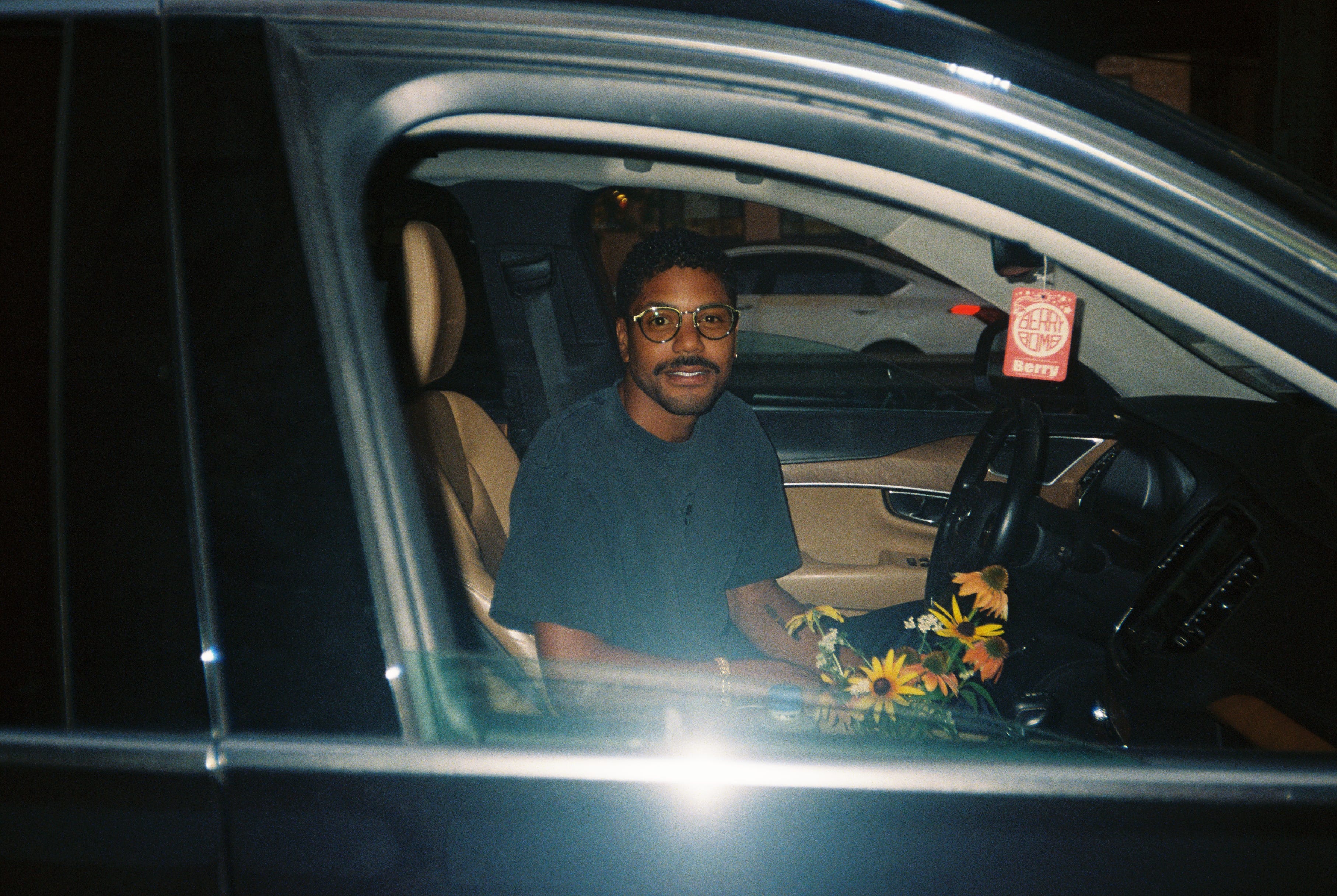

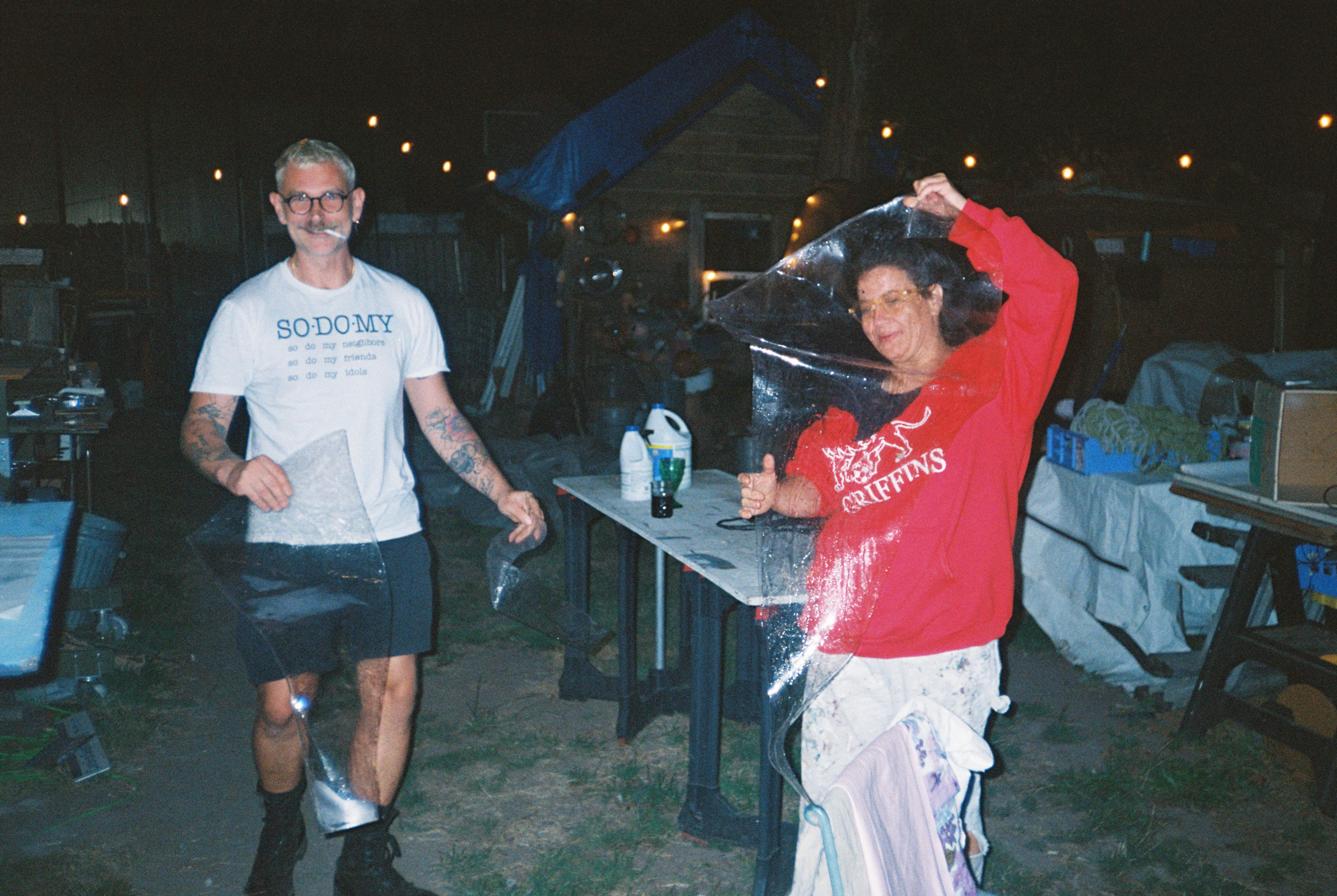

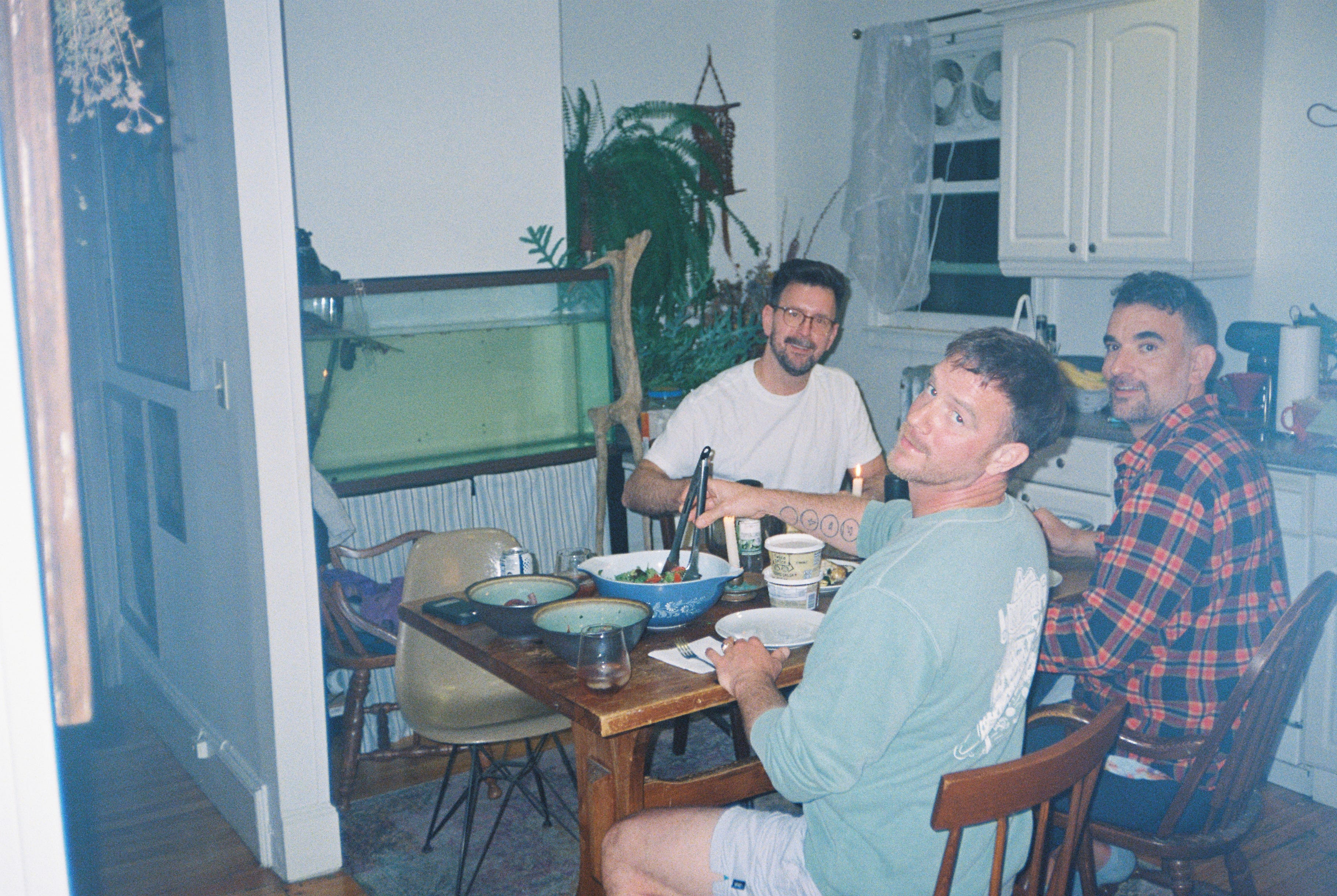
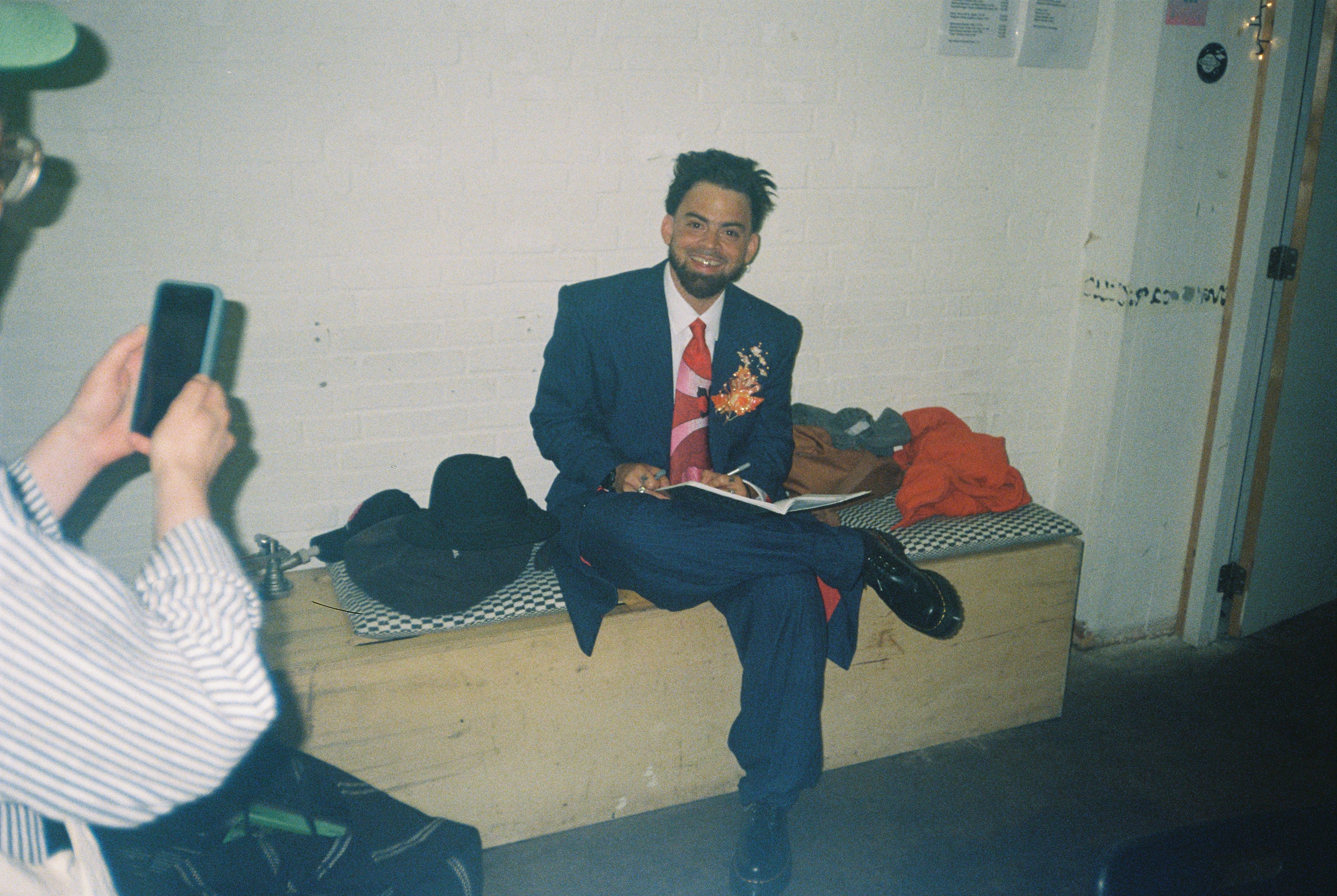
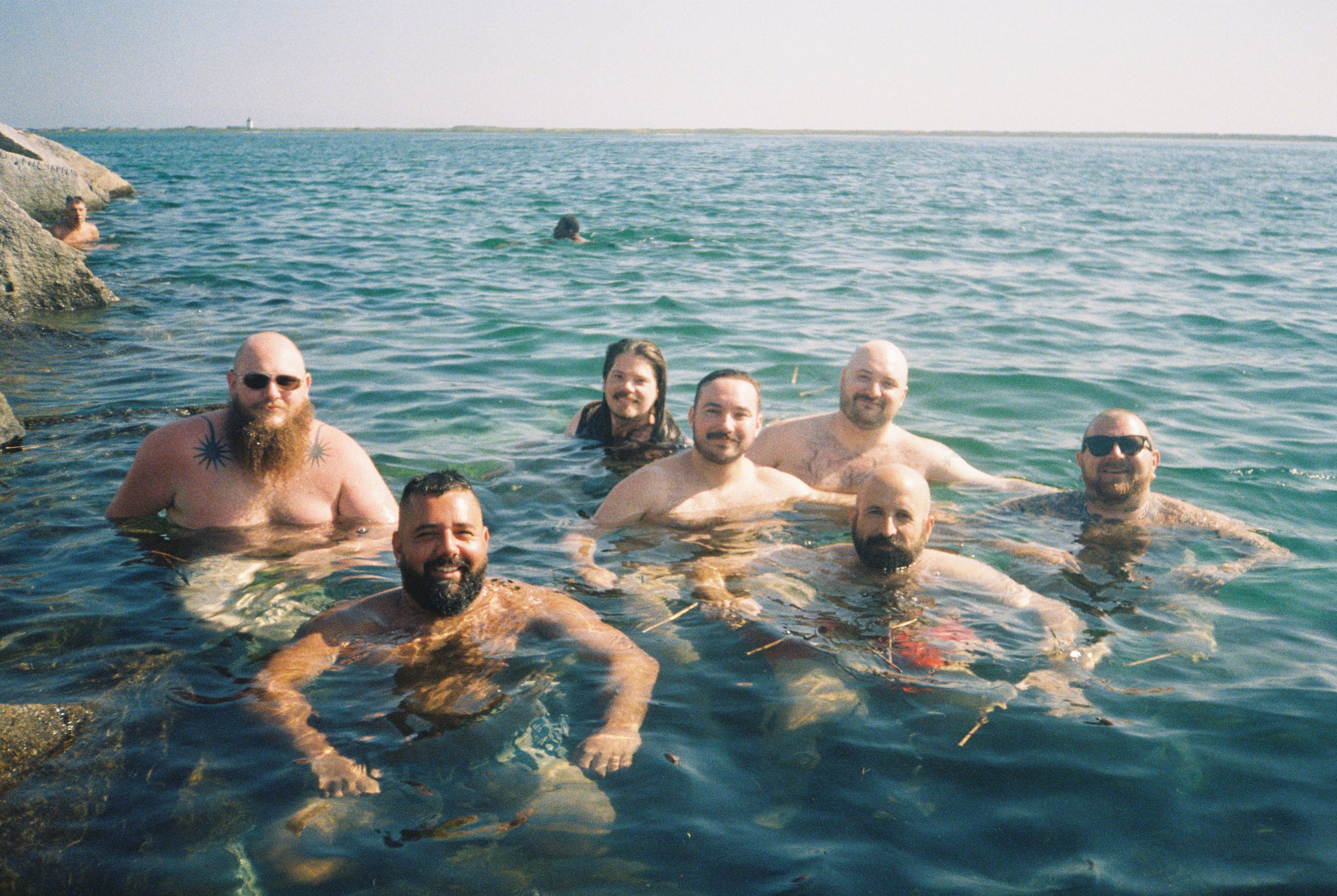
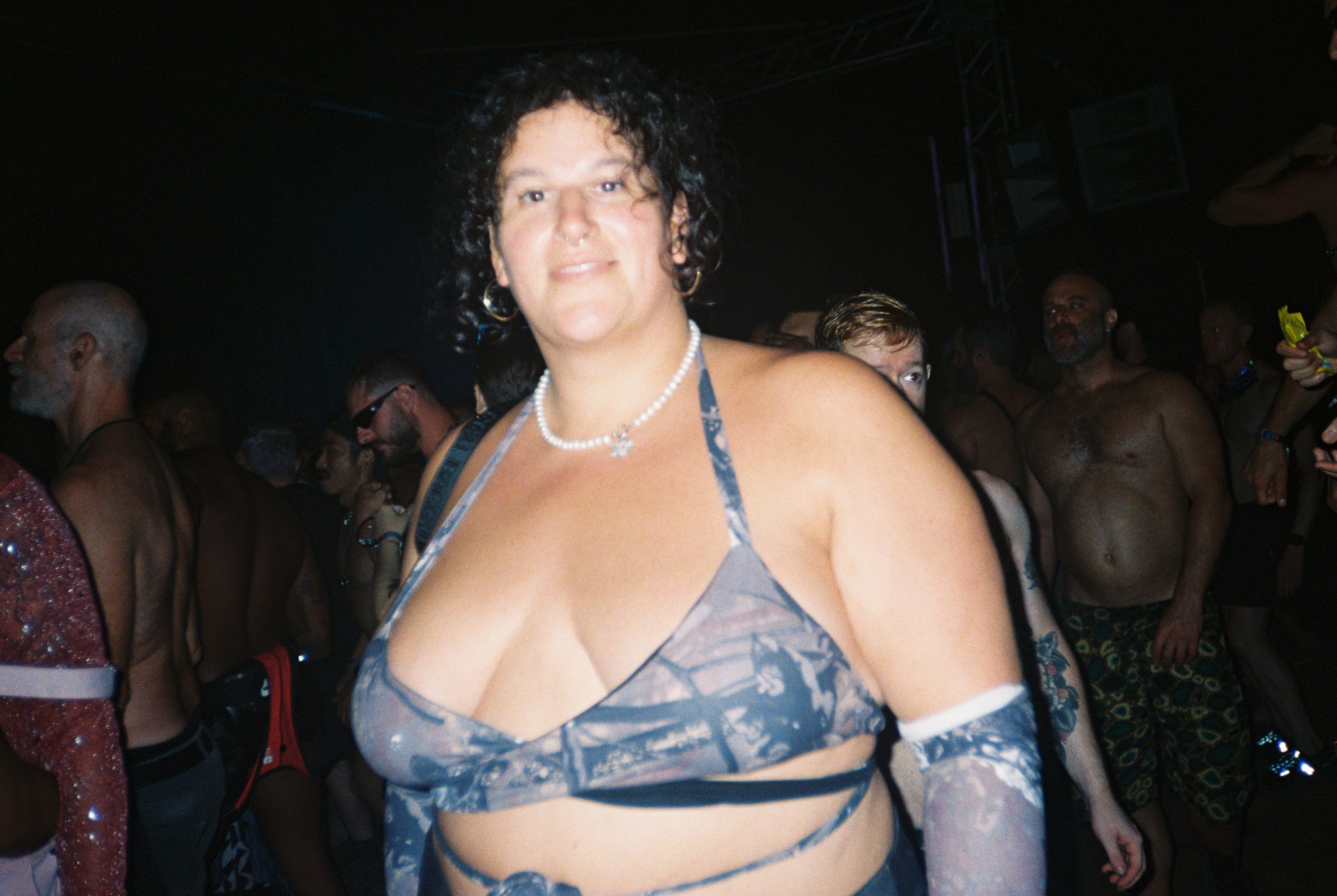
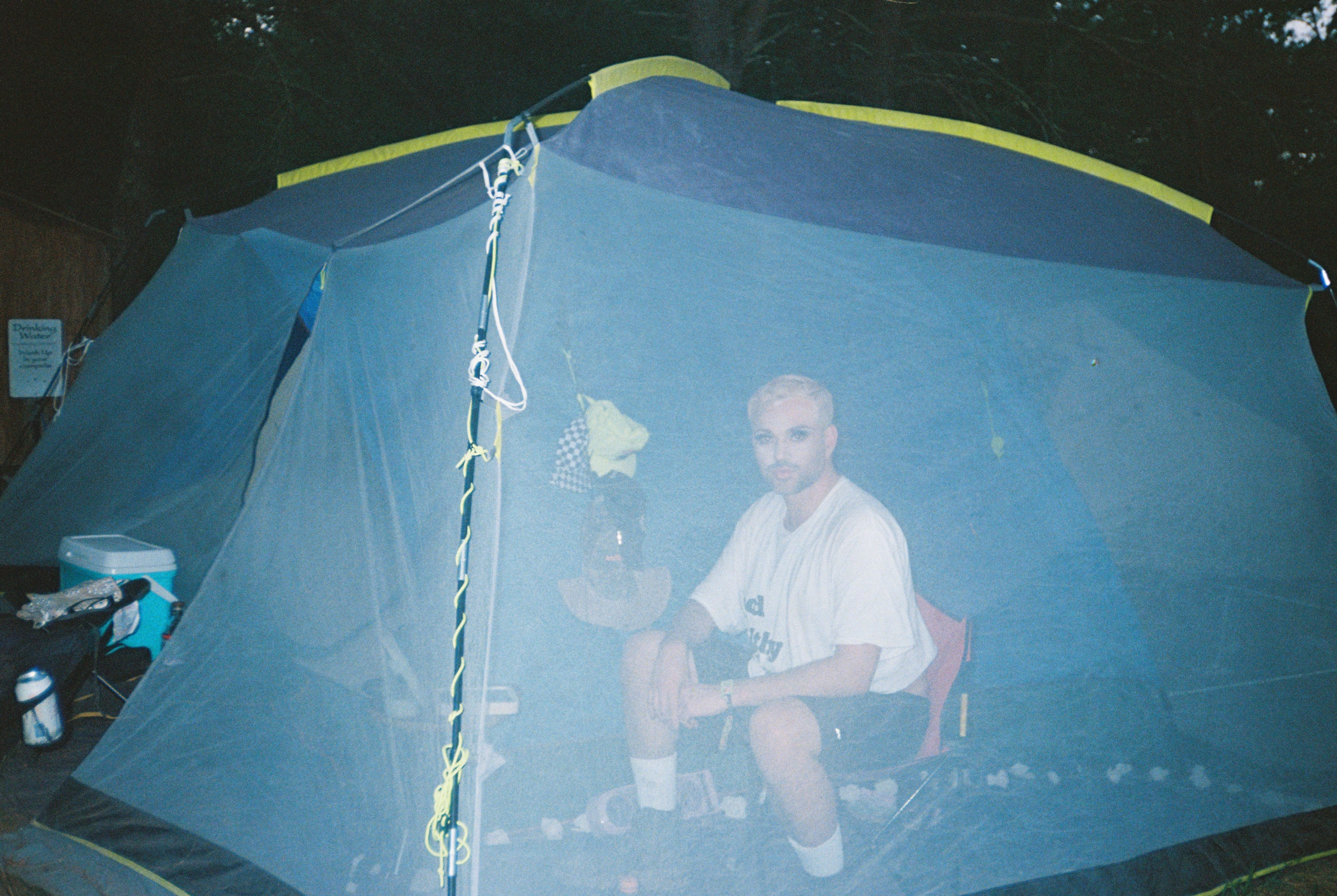
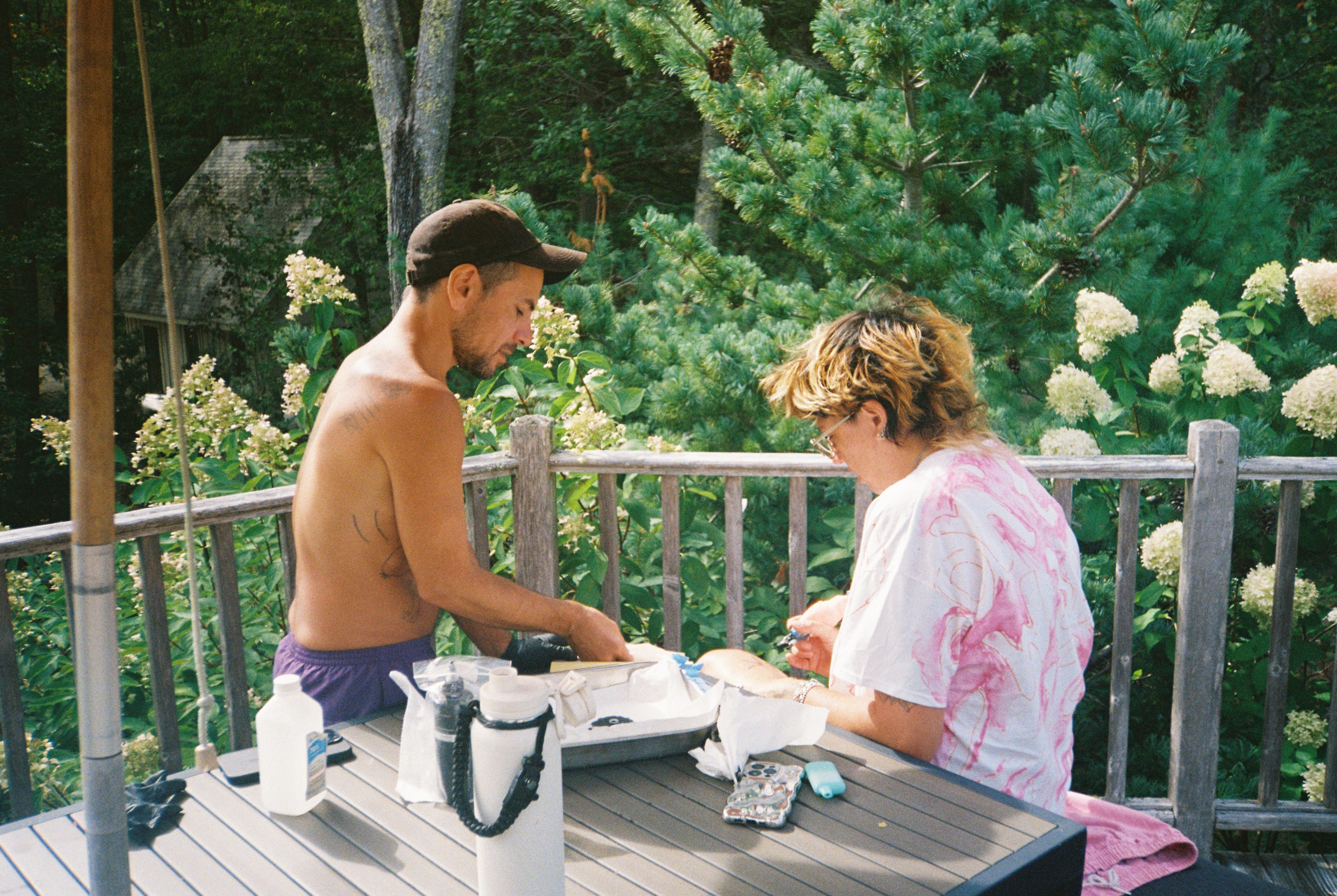
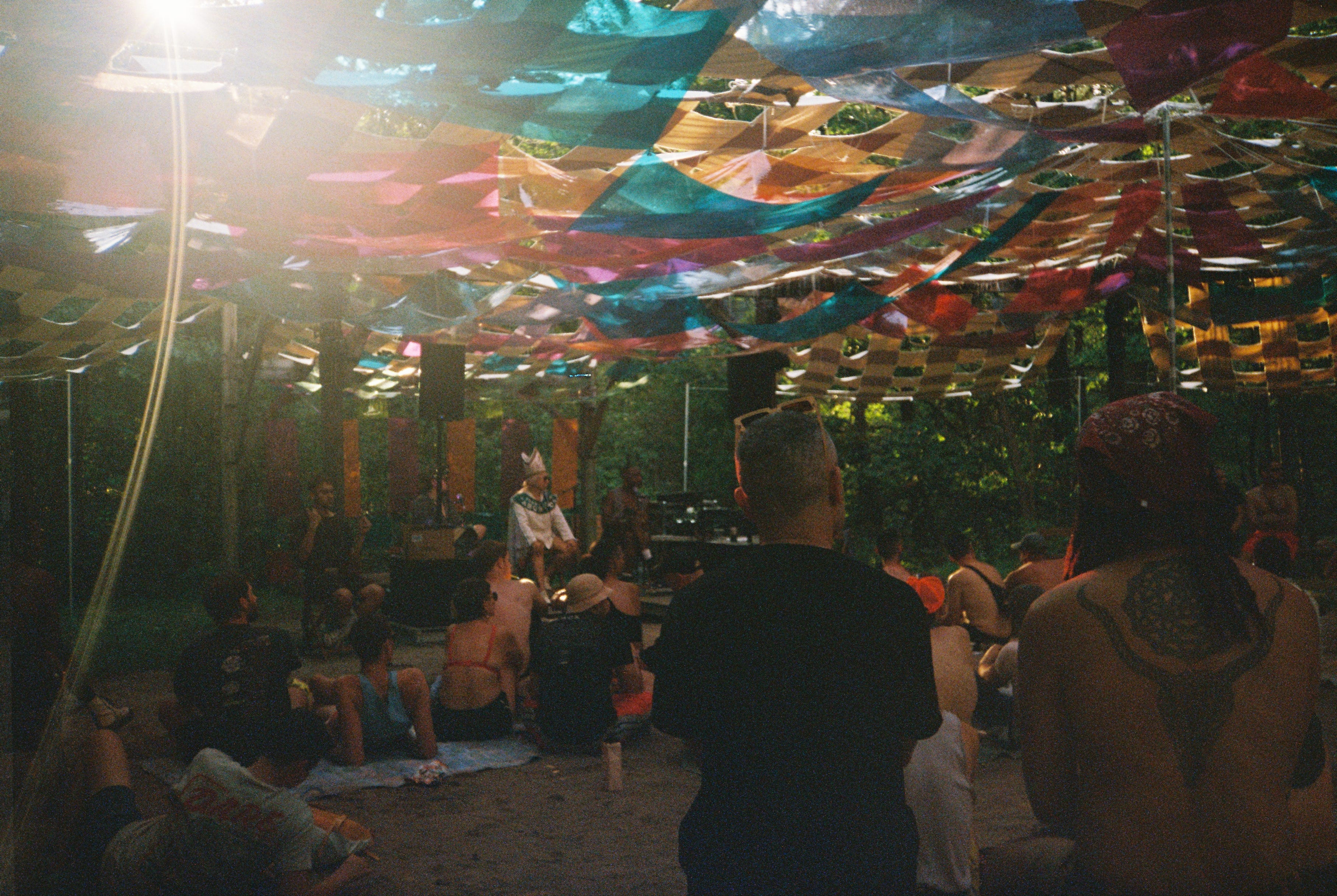
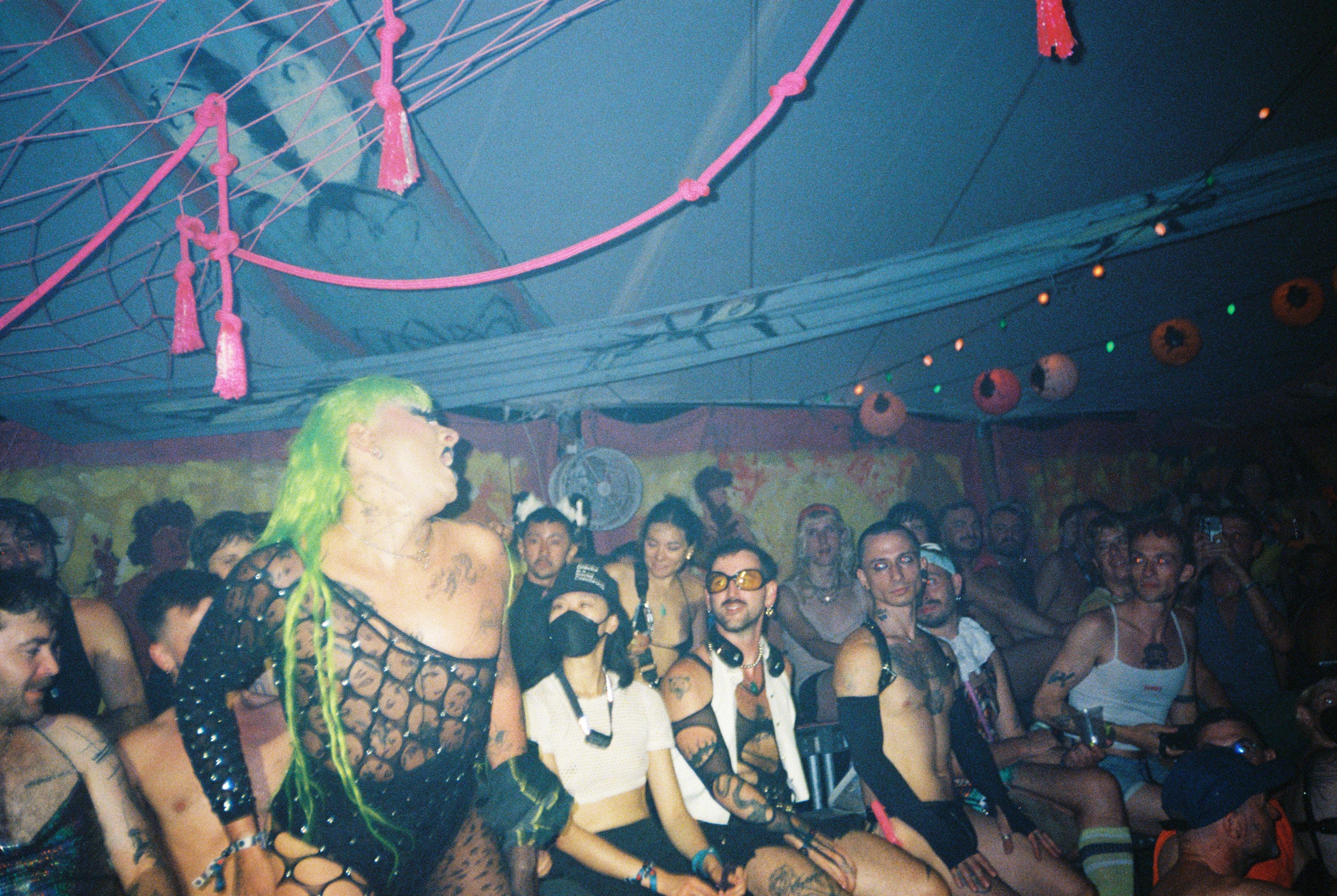
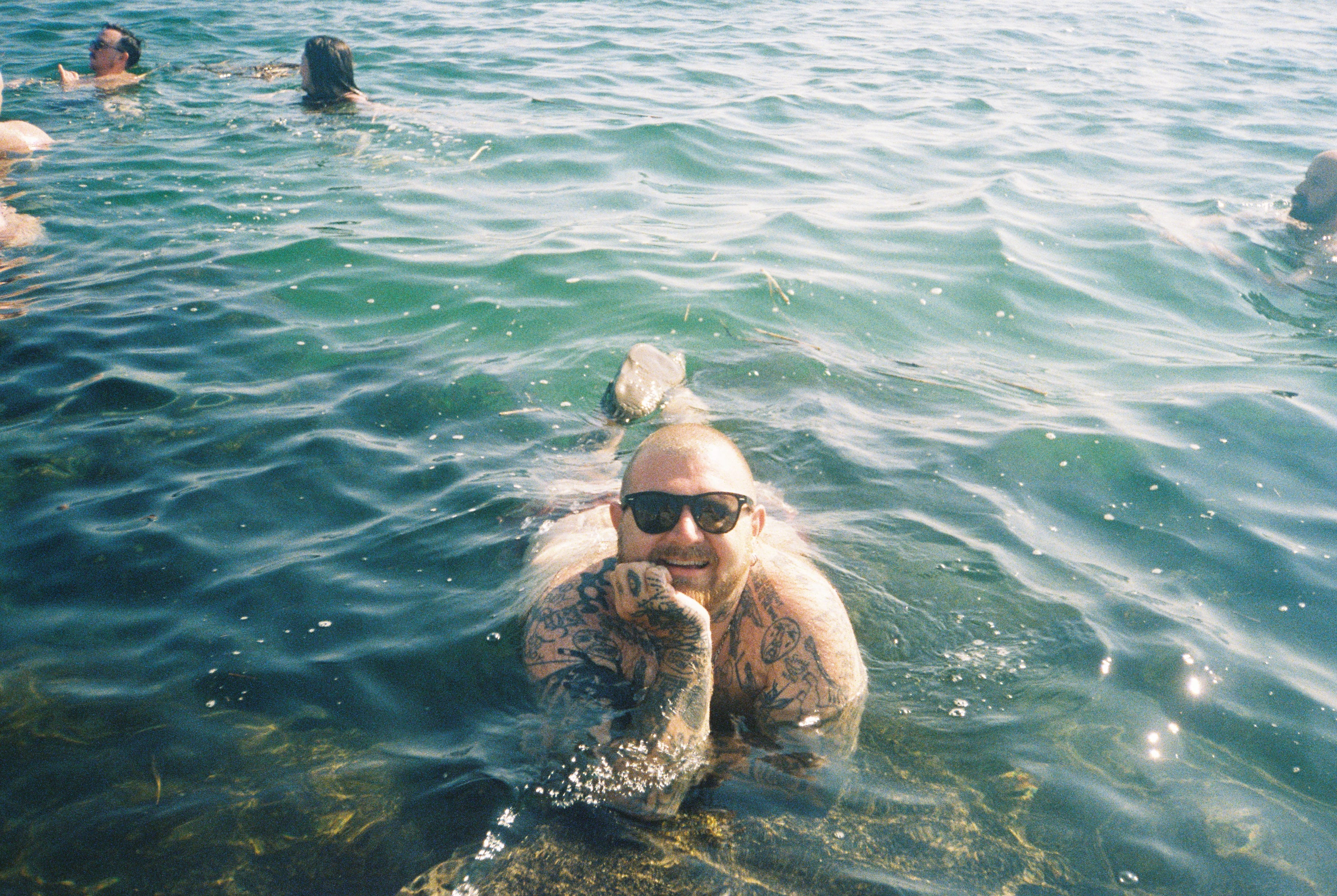
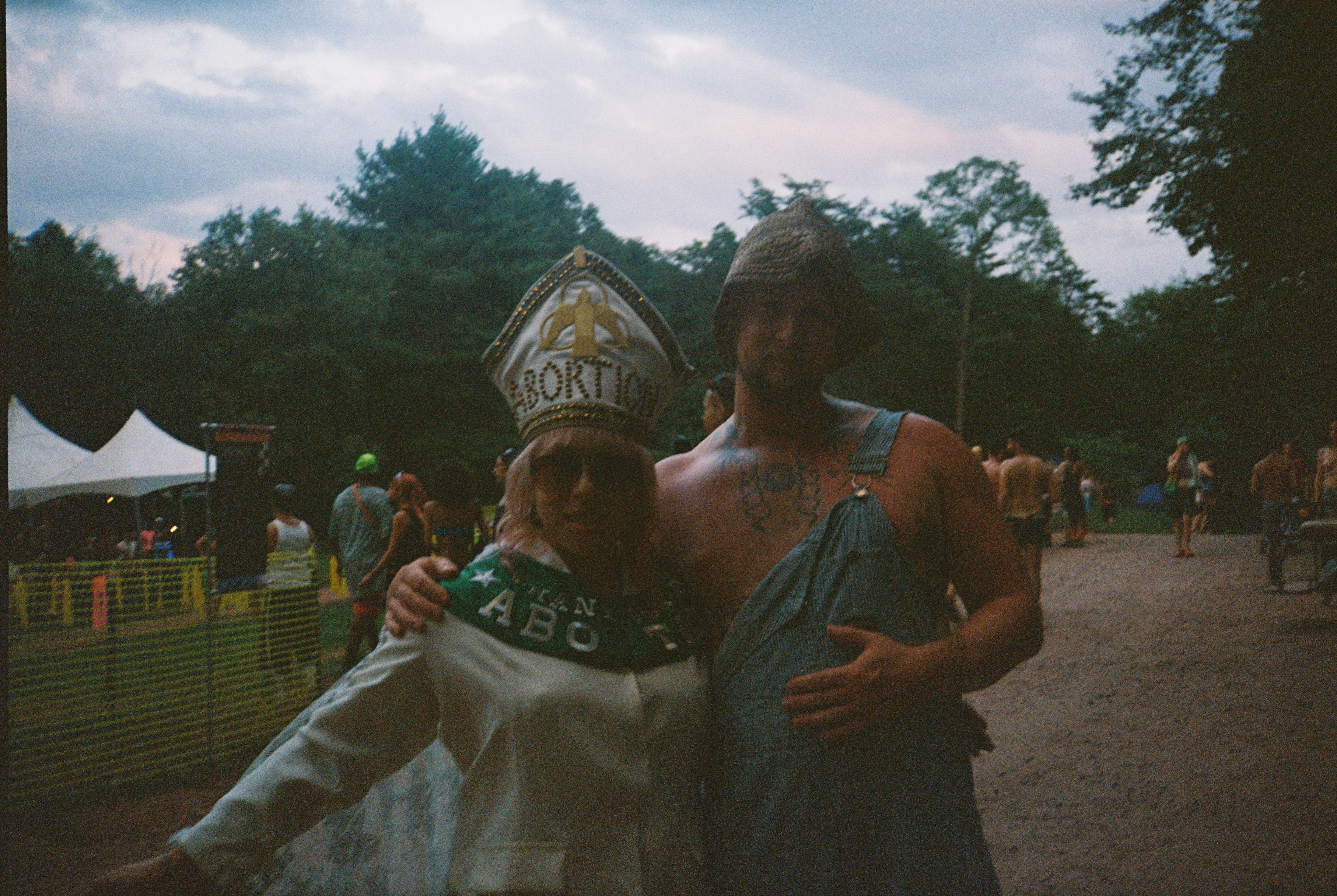
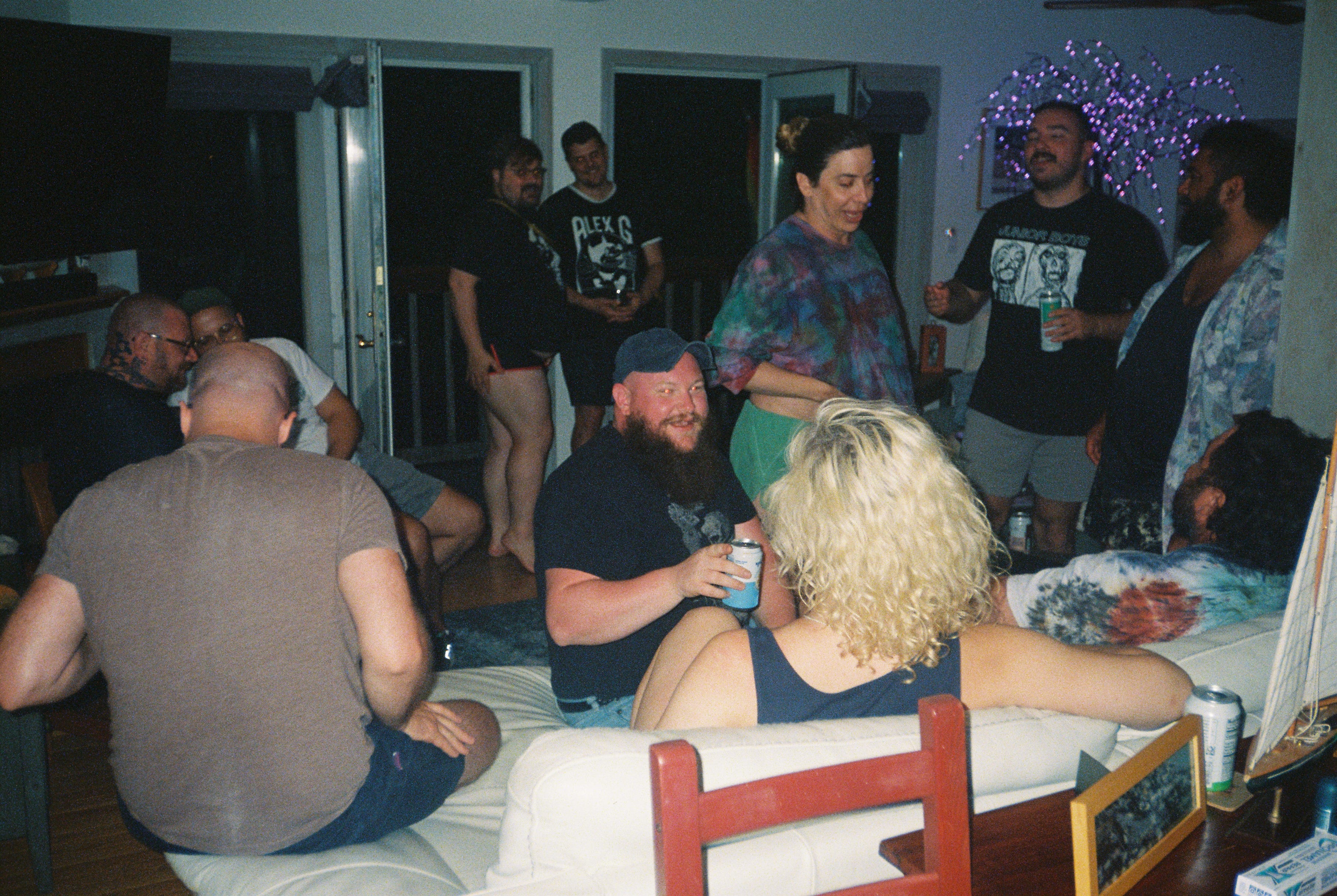
I look at these pictures I have taken of my beautiful friends, my chosen family, and people and places that make my life meaningful, and I feel the closeness of strangers who fought for us to live these lives. I heard performance artist Keith Hennessy talk recently about the legacy of treating strangers as if they were your lovers— and when I hear people criticize the left for their quickness to love a stranger and propensity to criticize their loved ones, I think to myself that these people have never experienced the queer love by the likes of someone like Mark Aguhar, who called in loved ones as an act of love and treated strangers with kindness all the same.
AIDS coalitions like ACT UP taught me that injustices toward someone unlike me are just as much of an affront as injustices toward someone like me. They’ve taught me that genocide and the weaponization of access to care, for trans people, for immigrants, for people with disabilities, is an affront to all of our rights. AIDS/HIV has taught me compassion, rage, celebration, and appreciation for the life I live today, knowing both the fragility of our rights and the strength of our ability to survive together.
I don’t know where I was going with this post so much as I needed to journal out some thoughts and feelings. The world might look different from it did in the 80s, but I still recognize the continuity of Douglas Crimp’s closing words from the essay Mourning and Militancy in his book Melancholia and Moralism: Essays on AIDS and Queer Politics which Morgan Bassachis so beautifully sang at the end of his show Can I Be Frank? which also made me weep.
Again I want to be very clear: The fact that our militancy may be a means of dangerous denial in no way suggests that activism is unwarranted. There is no question but that we must fight the unspeakable violence we incur from the society in which we find ourselves. But if we understand that violence is able to reap its horrible rewards through the very psychic mechanisms that make us part of this society, then we may also be able to recognize—along with our rage—our terror, our guilt, and our profound sadness. Militancy, of course, then, but mourning too: mourning and militancy.
I wrote a song called “disobedient daughters” for the last LP that didn’t make it on the record, but will finally be included in the expanded version of the LP coming out next year. The song ends with a crowd chanting the following:
I will fight for you / because you fought for me
I will not give up / ‘til everyone is free
Love,
Colin